As a yoga wear manufacturer, we see the spec sheets behind the brands. The truth? Many leggings labeled “squat-proof” are simply marketing fluff. The difference between a secure squat and an embarrassing wardrobe malfunction isn’t magic—it’s physics. It comes down to specific metrics like GSM (fabric weight), Interlock construction, and thread density.
Here is the insider science on how to spot actual squat-proof leggings before you buy (or manufacture) them.
Interlock vs. Jersey Knit: Which is Safer?
Interlock knit is significantly safer for squat-proof activewear. Its double-knit construction creates a thicker, denser fabric with superior opacity compared to single-knit jersey.
Structural Density: Why Double-Knit Interlock Offers Superior Coverage
The difference comes down to manufacturing. Interlock is a double-knit fabric, produced using two rows of needles that create two tightly connected layers. This process results in a much denser, firmer, and smoother material on both sides.
Jersey, in contrast, is a single-knit fabric. It’s made with just one row of needles, creating a single, lighter layer. This simpler construction means jersey is inherently thinner and less opaque than interlock from the start.
The “Stretch Test”: How to Spot the Difference
Don’t just trust the label. Do this simple test:
Interlock (Safe Choice): Stretch it hard. If the fabric maintains its density and you cannot distinguish individual knit lines, it is a Double-Knit Interlock. This structure locks out light even under high tension.
Jersey (Avoid for Leg Day): Pull the fabric horizontally. If you see vertical lines appear or the fabric significantly thins out to show light, it is likely a single-knit Jersey. It’s comfortable for lounging, but dangerous for squats.
Poly-Spandex vs. Nylon 66
Nylon 66 blends offer superior durability and elastic recovery over poly-spandex, providing better shape retention and a longer lifespan for premium squat-proof apparel.
Material Properties & Performance Characteristics
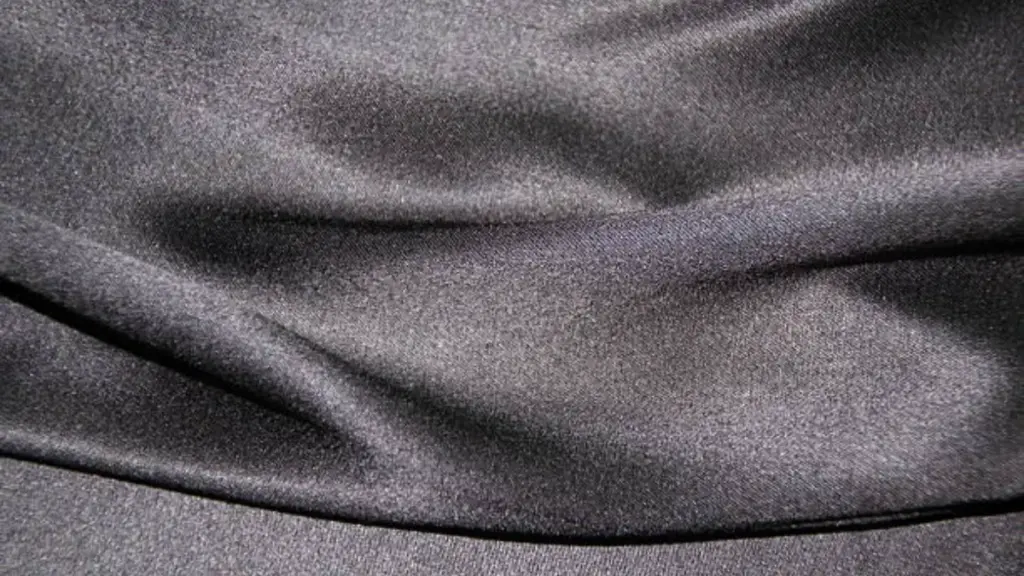
The core differences come down to raw material performance. Nylon 66 is engineered for higher stress applications, which translates directly to how the fabric holds up over time.
- Durability & Lifespan: In production testing, Stretch Nylon shows a 30% longer lifespan than comparable spandex-polyester blends.
- Abrasion Resistance: Stretch Nylon is rated ‘Excellent’ for abrasion resistance, while standard Spandex Blends are rated ‘Good’.
- Heat & Moisture Management: Nylon 66 has a high melting point (~255°C) and absorbs less moisture than other nylons, ensuring it maintains its mechanical stability during intense use.
Key Technical Specifications for Squat-Proof Validation
For true squat-proof validation, look past marketing claims and at the material test reports. The numbers tell the whole story, especially regarding how a fabric recovers after being stretched.
- Elastic Recovery: Stretch Nylon (with spandex) hits 95–98% elastic recovery, outperforming Polyester-DTY blends (70–80%) and standard Spandex Blends (90-95%).
- Tensile Strength: Nylon 66 has a high tensile strength of approximately 80 MPa, which is why it resists tearing under high-stretch conditions.
A quick note on opacity: you can’t judge it by material type alone. True “squat-proof” status depends on the specific yarn denier, thread count, and knit construction. Always demand certified ASTM opacity testing from your supplier to validate claims.
Achieving 100% Opacity in Light Colors
Opacity isn’t about weight. It requires a pigment with a high refractive index, like Titanium Dioxide, and optimized particle engineering to maximize light scattering and hiding power.
The Role of Pigment Selection and Refractive Index
Opacity is a direct result of light scattering. The key is maximizing the difference in refractive index between the pigment and its binder medium. This is why Titanium dioxide (TiO₂) is the industry standard for whites. Its refractive index is a massive 2.7 (Rutile grade), while most binders sit around 1.49. That huge gap forces light to scatter, creating the hiding power you need.
Particle Engineering for Maximum Hiding Power
Just using the right pigment isn’t enough. There’s an optimal particle size that maximizes light scattering—if the particles are too large or too small, hiding power decreases. Complete and fine dispersion of these particles within the liquid is also essential to optimize color strength and the mechanical properties of the final film.
This performance is validated using the contrast-ratio method. Official standards like ISO 23498 specify that an opaque white must have a reflectance factor greater than 80%.
Launch Your Custom Yoga Wear Line—With No Minimums.
ASTM D6544 Opacity Standards
What ASTM D6544 Actually Measures?ASTM D6544 is often cited, but it is NOT a transparency test. It is a preparation standard for UV protection (sun safety). A pair of leggings can pass this test with flying colors and still be completely see-through in the gym. True opacity is measured by light transmission tests (like TAPPI T425) or rigorous fit-testing, not just UV ratings.
Test Protocol and Related UPF Classifications
The protocol is rigorous by design. Before any UV transmission testing happens, a fabric must pass a series of preconditioning steps meant to mimic real-world wear and tear:
- 40 cycles of home laundering.
- Exposure to 100 AATCC fading units of simulated sunlight.
- Simulated chlorinated pool water exposure (for swimwear).
After preconditioning, the fabric’s performance is measured and classified according to the Ultraviolet Protection Factor (UPF) scale, typically defined by the ASTM D6603 standard.
| UPF Rating | Protection Classification |
|---|---|
| 15–24 | Good |
| 25–39 | Very Good |
| 40–50+ | Excellent |
The Science of Opacity: GSM & Gauge Explained
High GSM boosts opacity, but high-gauge (32G+) knits are superior. They use a tight structure, not just heavy fabric, to block light without sacrificing performance feel.
| Metric | What It Measures | Impact on Opacity | Performance Trade-off |
|---|---|---|---|
| GSM (Grams per Square Meter) | Fabric weight and density. | Higher GSM adds mass, which physically blocks more light. | Can become bulky, heavy, and less breathable if relied on alone for opacity. |
| Gauge (e.g., 32G+) | Knit fineness (needles per inch). | Creates a tighter structure with smaller gaps for light to pass through. | Delivers a smoother feel, better compression, and superior breathability. |
What is GSM?
If you take one thing away from this guide, let it be this number.
- Under 200 GSM: Often found in fast-fashion “bargain” leggings. These are essentially footless tights. They will be sheer.
- 220–240 GSM: The industry average. Acceptable for running or light yoga, but risky for deep squats under harsh gym lighting.
- 250+ GSM: The Squat-Proof Threshold. This is the weight required to mechanically block light. For premium security, look for fabrics in the 260–300 GSM range with a high-gauge knit (32G+).
Why High-Gauge (32G+) is Better than Just Heavy Weight
While GSM measures weight, Gauge measures the fineness and tightness of the knit itself—specifically, the number of needles per inch on the knitting machine. This is where real performance engineering comes in. A high-gauge fabric (32G and above) creates opacity through structure, not just mass.
By packing in more, smaller loops per square inch, high-gauge construction minimizes the space for light to penetrate. The alternative—simply using a high-GSM fabric—often results in a bulky, less breathable product. High-gauge textiles deliver total opacity with a smoother, more compressive feel and better stretch recovery.
The best squat-proof fabrics balance a sufficient GSM with a high gauge. This combination achieves complete opacity without sacrificing the lightweight feel, comfort, and breathability that athletes demand.
Final Thoughts
Stop treating ‘squat-proof’ as a marketing buzzword. It is an engineering outcome based on fabric density and material science, where cutting corners guarantees transparency and damages your brand.
Demand a technical spec sheet for any fabric you evaluate, specifying an interlock knit and a GSM of 250+. Trust certified opacity test reports, not the sales pitch.
Frequently Asked Questions
What makes leggings squat-proof?
Squat-proof leggings are engineered with specific technical standards to remain opaque during deep stretches. Key factors include a high fabric weight (a minimum of 250 GSM, with 280-320 GSM being ideal), a dense interlock knit construction, and a durable fiber blend like Nylon/Spandex or Polyester/Spandex. This combination prevents light from passing through the fabric even when it’s fully stretched.
Why are my current leggings see-through?
Leggings usually become see-through because of insufficient fabric weight and density. If the GSM is below 250, the fabric is too thin to maintain opacity when stretched during squats. A loose knit construction, unlike a dense interlock knit, also contributes to the problem by allowing the fabric structure to separate and become transparent under tension.
What is the best fabric for no-show leggings?
The best fabrics for opaque, no-show leggings are high-density Polyester-Spandex or Nylon-Spandex blends with a fabric weight of at least 220-280 GSM. The spandex content should be between 15-25% for the right balance of stretch, recovery, and stability. Fabrics below 220 GSM are far more likely to reveal skin tones or underwear lines when stretched.
What should I wear under yoga pants to avoid lines?
To minimize visible panty lines (VPL), seamless underwear is your best bet. Seamless thongs offer the most discreet look, while seamless boyshorts are another effective choice. For comfort during workouts, pick breathable materials like cotton or moisture-wicking synthetics like nylon or spandex.