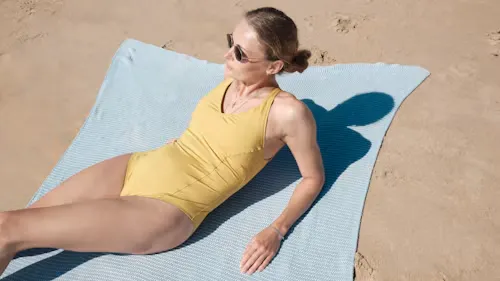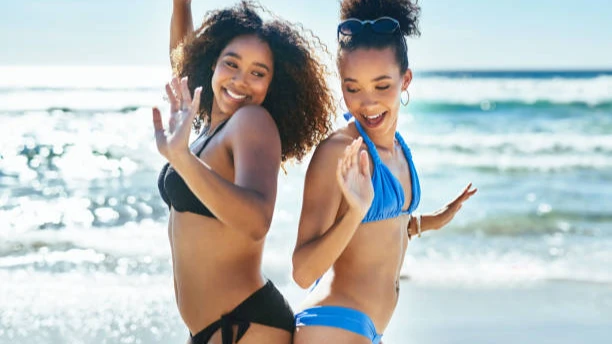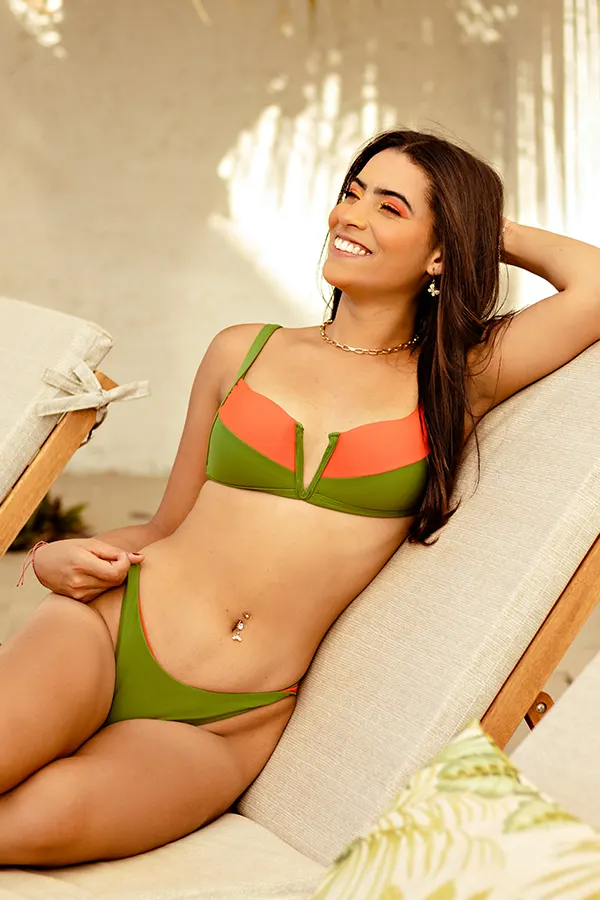
The best fabric for custom swimwear must meet the design and performance requirements of each product, from the stretch and comfort needed for fashion bikinis to the chlorine resistance and durability required for performance swimsuits. Brands must also consider colorfastness, fabric costs, and supplier capabilities when sourcing materials.
This guide compares common swimwear fabrics, explains how their properties suit different products, and outlines key sourcing and quality checks before bulk production.
What Are the Most Common Fabrics for Custom Swimwear?
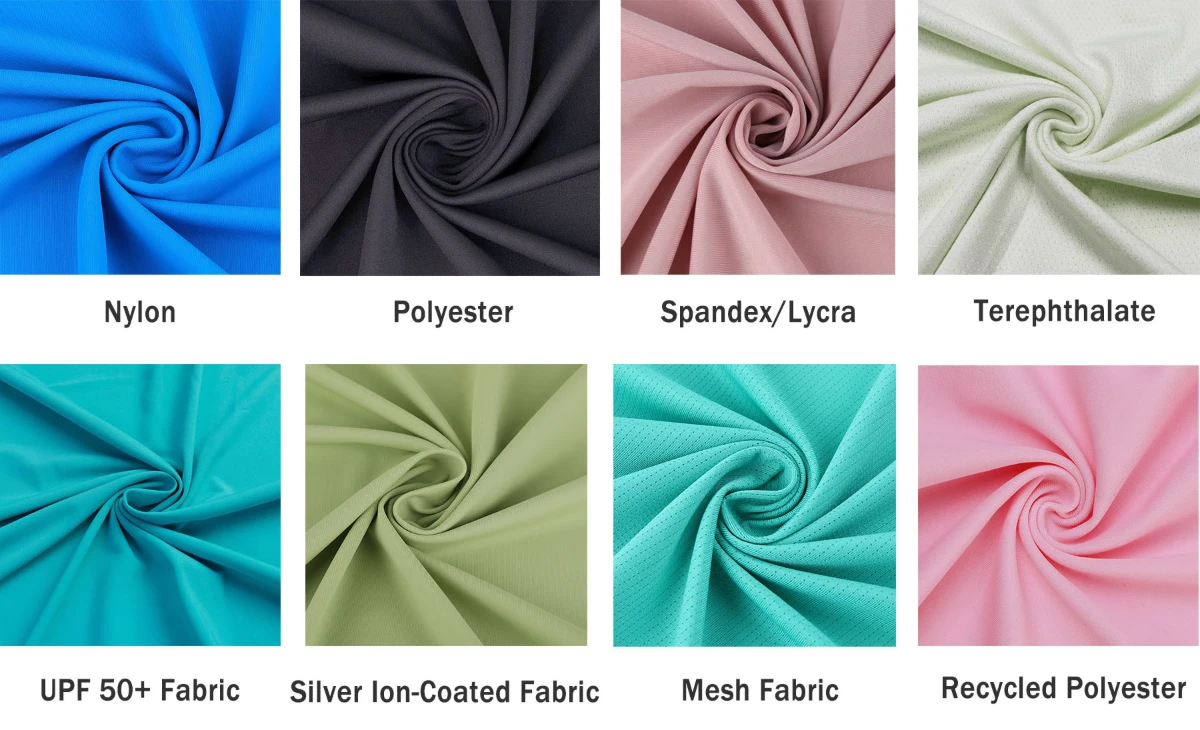
Custom swimwear brands commonly use nylon-spandex blends, polyester-spandex blends, and recycled fabrics. Their differences in feel, performance, and material sourcing help brands match fabric options to product requirements and target markets.
Nylon and Spandex
Nylon and spandex blends offer a soft feel, a smooth surface, and good stretch. Nylon forms the main fabric structure, while spandex helps the material stretch and recover its shape. These qualities make the blend suitable for fashion swimwear and fitted designs.
- Key benefits: Soft feel, smooth texture, y flexibilidad.
- Common uses: biquinis, fitted one-piece swimsuits, and swimwear with detailed cuts.
- What to check: Chlorine resistance, color retention, and shape recovery, especially for swimwear intended for frequent pool use.
Standard nylon may lose strength or color after repeated exposure to chlorine and sunlight. Actual performance depends on the yarn, fabric construction, and finishing process, so brands should check supplier specifications and test samples before bulk production.
Polyester and Spandex
Polyester and spandex blends are often used for training swimwear and other products exposed to chlorinated pool water. Polyester generally offers good color retention and chlorine resistance, while spandex provides the stretch needed for a close fit.
- Key benefits: Color retention, potential for good chlorine resistance, and stretch.
- Common uses: Training swimsuits, performance swimwear, and products designed for frequent pool use.
- What to check: Chlorine resistance, fabric recovery, and performance after repeated exposure to pool water.
The final performance depends on the fiber quality, fabric construction, and finishing process. Brands should compare fabric specifications and test samples under conditions that reflect the product’s intended use.
Recycled Swimwear Fabrics
Recycled swimwear fabrics commonly use recycled polyester or recycled nylon, sometimes blended with spandex for stretch. They allow brands to use recycled raw materials while retaining many of the characteristics associated with the base fibers. Sin embargo, recycled content alone does not guarantee better durability or environmental performance.
- Key benefits: Recycled material content that may support a brand’s material sourcing goals.
- Common options: Recycled polyester and recycled nylon, with or without added spandex.
- What to check: Recycled content percentage, available certifications, traceability documents, and fabric performance.
Brands should confirm material availability and request supporting documentation from suppliers. They should also test samples for stretch, color retention, durabilidad, and other requirements relevant to the finished product before placing bulk orders.
Common Swimwear Fabric Blend Comparisons
- Nylon-Spandex (p.ej., 80% nylon, 20% spandex): Offers a soft, smooth feel and good stretch, making it suitable for fashion bikinis, fitted swimsuits, and resort swimwear. Chlorine resistance varies by fabric specification.
- Polyester-Spandex: Combines stretch with good color retention, making it suitable for active swimwear and products exposed to frequent pool use, depending on the fabric’s specifications.
- Polyester-PBT: Often used for training and performance swimwear because of its chlorine resistance and durability.
These blends serve as general guidelines. Actual performance depends on fabric construction, finishing, and the intended use, so brands should confirm specifications and test samples before bulk production.
Key Properties to Consider in Swimwear Fabric
Swimwear fabric properties affect fit, comodidad, and performance in different conditions. Understanding these factors helps brands match materials to their product designs and intended uses.
- Four-Way Stretch & Recovery:
- Stretch: Allows the fabric to extend horizontally and vertically, helping the swimsuit move with the body and fit comfortably.
- Recovery: Describes how well the fabric returns to its original shape after stretching. Good recovery helps prevent sagging and loss of fit after repeated wear.
- Chlorine & UV Resistance:
- Chlorine Resistance: Helps the fabric withstand repeated exposure to chlorinated pool water, which can weaken certain fibers and reduce fabric performance over time.
- UV Resistance: Helps protect the fabric from damage caused by prolonged ultraviolet exposure. This is particularly relevant for swimwear designed for frequent outdoor use.
- Fabric Weight (GSM):
- Lightweight (160–180 GSM): May suit lightweight fashion swimwear that prioritizes flexibility and a soft drape. Depending on the color and construction, lining may be needed to provide sufficient coverage.
- Medium Weight (180–220 GSM): Often suits bikinis and one-piece swimsuits that need a balance of flexibility, coverage, and structure.
- De peso pesado (220–250+ GSM): May suit shaping swimwear and structured designs that require more support or coverage. Heavier fabrics can feel less flexible, depending on their construction.
- Important Consideration: These ranges are general guidelines rather than fixed industry standards. Fiber composition, knit construction, color, estirar, and lining also affect the finished swimsuit’s opacity, adaptar, y rendimiento.
- Quick-Drying & Water Repellency:
- Quick-Drying: Helps the swimsuit release moisture and dry faster after swimming, improving comfort between activities.
- Water Repellency: Helps water bead on the fabric surface rather than soak in immediately. This feature may suit specific applications, but it is not a standard requirement for all swimwear.

How Does Swimwear Fabric Choice Vary by Product Type?
Different swimwear styles have different requirements for fit, coverage, comodidad, y durabilidad. Matching fabric properties to the product helps brands balance appearance with practical performance.
biquinis and Fashion Swimwear
Bikinis and fashion swimwear often prioritize a soft feel, a flattering fit, and design flexibility. Nylon-spandex blends are commonly used because they offer a smooth surface and good stretch, making them suitable for fitted shapes, ruching, and cut-out designs.
Fabric weight and opacity also matter, particularly for light colors and minimal-coverage styles. Some designs may need lining or a double-layer construction to provide sufficient coverage without compromising comfort.
One-Piece and Performance Swimwear
One-piece swimsuits need enough stretch to fit the body while maintaining their shape during movement. Performance swimwear has additional demands, especially when designed for regular pool training or competitive use.
- Training swimwear: Polyester-spandex blends are often considered for their color retention and chlorine resistance.
- Performance-focused designs: Chlorine-resistant polyester blends with good recovery may suit products designed for frequent pool use. Low drag can also matter in competitive swimming.
- Shaping one-piece swimsuits: Firmer stretch fabrics and carefully placed panels can provide more support and structure.
The best fabric depends on whether the product prioritizes everyday comfort, organización, or repeated exposure to pool water.
Resort Swimwear and Cover-Ups
Resort swimwear and cover-ups often prioritize lightweight comfort, drape, and appearance rather than a close fit or strong compression. Fabric selection depends on whether the garment is designed for swimming, layering over swimwear, or relaxing at the beach.
- Resort swimwear: Nylon-spandex blends can support a comfortable fit, while texture, color, and drape help achieve the desired look.
- Cover-ups: Cotton blends, viscose, or lightweight polyester fabrics may suit loose shirts, dresses, and beach trousers.
- Sheer or open-knit styles: Lightweight mesh or open-knit fabrics can create a light, breathable look, although the level of coverage depends on the fabric construction.
For resort wear and swimwear cover-ups, fabric selection often prioritizes comfort, appearance, breathability, and drape. The ideal material depends on the garment design, such as lightweight woven fabrics for loose cover-ups or stretch fabrics for more fitted styles.

What Should Brands Consider When Sourcing Swimwear Fabric?
Availability, customization options, order quantities, and production costs all affect whether a fabric is practical for a brand’s product line.
Fabric Availability and Customization Options
Stock fabrics may offer shorter lead times and lower development costs, while custom-developed fabrics can provide more control over color, texture, y rendimiento.
- Stock fabrics: Often suit smaller orders or brands that need to shorten development time.
- Custom colors and finishes: May require additional sampling, tintura, or finishing processes, depending on the supplier.
- Specialty materials: Options such as recycled fibers or enhanced chlorine resistance depend on supplier capabilities and material availability.
Brands should also confirm whether a fabric will remain available for repeat orders. This matters when planning seasonal collections or maintaining consistent materials across product lines.
Minimum Order Quantities and Fabric Costs
Fabric suppliers may set minimum order quantities (MOQ) based on the material, color, dyeing process, or production method. Custom colors and specialty finishes often require larger commitments than standard stock fabrics.
Fabric cost also depends on fiber composition, weight, construction, finishing, and order volume. A lower price per meter does not always mean a lower overall production cost if the material creates more waste, requires additional lining, or needs special handling.
Brands should consider the fabric cost alongside the planned order quantity, garment construction, and target retail price. These factors help determine whether a material is commercially suitable for the intended collection.
Sampling and Performance Testing
Fabric samples help brands assess how a material behaves before committing to bulk production. A fabric that looks and feels suitable on its own may perform differently once cut, sewn, stretched, or combined with lining.
During development, brands can review:
- Fit and recovery: Whether the finished garment maintains its intended shape during movement.
- Color and coverage: Whether the material provides consistent color and sufficient opacity, including when wet or stretched.
- Construction compatibility: Whether the fabric works with the selected seams, lining, elastic, and design details.
For swimwear intended for frequent pool use, chlorine resistance and color retention may also need specific testing. Resolving these issues during sampling helps reduce the risk of material problems and costly changes during bulk production.
For brands developing their own swimwear collections, explore our private label swimwear services for fabric sourcing, etiquetas personalizadas, and packaging options.

How to Verify Swimwear Fabric Quality Before Bulk Production?
Before bulk production, brands need to confirm that the selected fabric meets the agreed specifications and performs as expected. Clear quality requirements help reduce material inconsistencies and production issues.
Check Fabric Specifications and Sample Performance
Fabric specifications provide a reference for checking whether delivered materials match the approved selection. Key details include fiber composition, peso de la tela (GSM), width, estirar, and recovery. These factors affect garment fit, coverage, and consistency across production batches.
The approved sample should also serve as a reference for evaluating actual performance. Depending on the product, relevant checks may include:
- Stretch and recovery: Confirm that the fabric maintains its expected fit after stretching.
- Weight and opacity: Check that the material meets the agreed GSM and provides sufficient coverage when wet or stretched.
- Durabilidad: Assess resistance to pilling, abrasion, or chlorine exposure when these properties matter to the product.
Not every swimsuit requires the same tests. The checks should reflect the fabric specifications, intended use, and quality requirements agreed upon with the supplier.
Confirm Color Consistency and Production Standards
Color differences can occur between fabric batches because of variations in dyeing and finishing. Even small differences may be noticeable when a garment uses several fabric panels or when replacement materials are needed for repeat orders.
- Color consistency: Compare bulk fabric with the approved color standard under consistent lighting conditions.
- Batch consistency: Confirm that key specifications remain within the agreed tolerances across production batches.
- Quality standards: Clarify the inspection criteria, acceptable defect levels, and procedures for handling materials that fail to meet requirements.
For brands planning repeat orders, documented specifications and approved color references help maintain consistency across production runs. Agreeing on these requirements before bulk manufacturing also makes it easier for both parties to identify and resolve quality issues.
For a broader assessment, read our Swimwear Manufacturer Quality Checklist for Brands to learn how to evaluate a manufacturer’s quality control system, inspection procedures, and bulk production consistency.
Pensamientos finales
The best fabric for custom swimwear is not necessarily the most expensive or the heaviest option. It should meet the product’s requirements for stretch, coverage, durabilidad, and comfort while remaining practical for the target price and production volume. Comparing fabric specifications, understanding the needs of each swimwear style, and confirming quality before bulk production can help brands avoid material issues and maintain consistent product quality.
ASG Modas works with brands on custom swimwear development and OEM/ODM manufacturing. Contacte a ASG Modas to discuss your next swimwear collection and its fabric requirements.
Preguntas frecuentes
What fabric composition is best for custom swimwear?
Most custom swimwear uses nylon or polyester blended with elastane (spandex) to provide stretch and help the garment retain its shape. The best composition depends on the design, adaptar, and intended use. Brands should discuss stretch, recuperación, coverage, and durability requirements with their manufacturer and evaluate fabric samples before confirming specifications for bulk production.
Which fabric is best for sublimation-printed custom swimwear?
Polyester-rich fabrics are commonly used for sublimation-printed swimwear because the process works well with polyester fibers. They can support all-over graphics, gradients, and detailed patterns. Before production, brands should confirm print compatibility, color reproduction, and fabric performance after stretching, as the final result depends on both the material and the printing process.
Can recycled fabrics be used for custom swimwear manufacturing?
Sí. Recycled nylon and recycled polyester blends can be used to develop swimwear collections with recycled materials. Suitability depends on the required stretch, durabilidad, hand feel, and target cost. Brands should confirm material availability, recycled content, and relevant supporting documentation with their manufacturer before making sustainability claims about finished products.
Does custom swimwear need a lining?
Not every swimwear design requires lining. The decision depends on fabric opacity, color, estirar, coverage, y confección de prendas. Light-colored or minimal-coverage styles may need additional lining to provide sufficient opacity, while some designs require extra support or structure. Brands should assess the outer fabric and lining together during sampling to confirm fit, comodidad, and coverage.
How can brands reduce swimwear fabric costs without compromising quality?
Brands can compare stock fabrics with custom-developed options, review how fabric weight and composition affect costs, and match material specifications to the product’s intended use. Standard stock colors may reduce the need for custom dyeing, while unnecessary performance features can add cost without benefiting every design. Evaluating fabric samples and total production requirements helps brands balance material costs with product quality.
What information should brands provide when sourcing fabric for custom swimwear?
Brands should provide the intended swimwear type, target market, preferred fabric feel and stretch, color or print requirements, target price, and estimated order quantity. Reference images or existing fabric samples can further clarify expectations. This information helps manufacturers identify suitable materials, assess customization requirements, and determine how fabric selection may affect sampling, costos, and production planning.