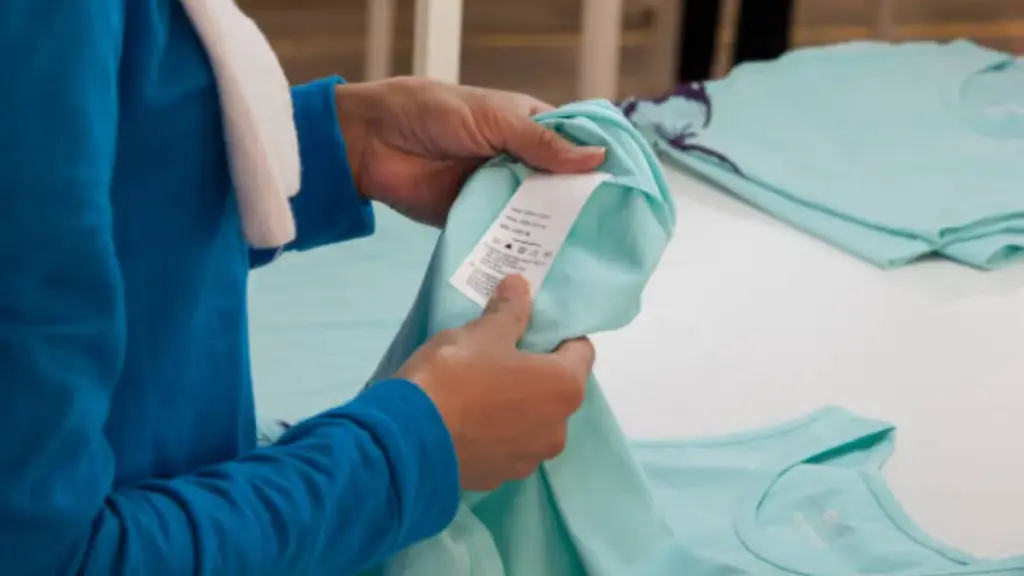
L'approvvigionamento di tessuti Summer Cool-Touch autentici è fondamentale per evitare gli elevati tassi di reso alimentati da inganni “seta di ghiaccio” affermazioni. Relying on temporary chemical finishes instead of permanent, mineral-infused fibers means product performance degrades with every wash, directly eroding profit margins and customer trust.
This analysis benchmarks apparel manufacturing against the Q-max > 0.18 W/cm² cooling standard. We evaluate permanent jade-infused fibers versus degradable chemical coatings and verify UPF 50+ compliance to provide a clear sourcing framework for high-performance, durable product lines.

Understanding Q-max: Why 0.3+ is the Standard for “Ice Silk”
Q-max quantifies a fabric’s ‘cool-touch’ in W/cm². A value of 0.3+ signals significant thermal conductivity, the benchmark for premium textiles marketed as ‘Ice Silk’.
What is Q-max and How is it Measured?
Q-max is the objective metric for a fabric’s “cool-touch” sensation. It measures the maximum rate of heat transfer (in watts per square centimeter) from a warm surface simulating skin to a cooler fabric. This peak heat flux is captured within the first 0.2 seconds of contact, providing a hard number that cuts through marketing hype.
This testing isn’t arbitrary; it’s governed by established industry protocols to ensure the data is consistent and repeatable.
- Primary Standards: Testing is conducted under the Kawabata Evaluation System (KES) or ASTM D7984.
- Baseline Qualification: Japan’s BOKEN textile institute sets the minimum threshold at 0.1 W/cm² for any fabric to be officially labeled as having a cooling function.
Performance Tiers: Interpreting Q-max Values in Textiles
Not all “cooling” fabrics are created equal. The Q-max value provides a clear, data-driven way to separate low-grade materials from high-performance textiles. Here’s how the numbers break down in the industry.
| Q-max Value (W/cm²) | Performance Level & Perception | Common Materials & Products |
|---|---|---|
| Below 0.15 | Little to no noticeable cooling effect. | Standard cotton, basic polyester. |
| 0.15 – 0.2 | Moderately cool feel. | Entry-level cooling products. |
| 0.2 – 0.3 | Clearly cool-to-the-touch. | Quality activewear, performance fabrics. |
| 0.3 – 0.4 | Distinct and moderate cooling sensation. | Premium ‘Ice Silk’ tessuti, specialized nylon & Polyethylene (PE) blends. |
| Sopra 0.4 | High-performance, instant-cool feel. | Specialized gear using Phase Change Materials (PCM) or graphene finishes. |
Jade-Infused vs. Chemical Finishes: Ensuring Permanent Cooling
Jade-infused fabrics embed cooling minerals for permanent performance. Chemical finishes are temporary surface coatings that wash out and degrade, losing effectiveness with each wash cycle.
| Feature | Jade-Infused (Embedded Minerals) | Chemical Finishes (Surface Coatings) |
|---|---|---|
| Mechanism | Nano-particles of jade are blended directly into polyester during manufacturing, permanently altering the fiber’s physical structure. | Topical treatments are applied to the fabric surface after it’s woven. The core fiber structure remains unchanged. |
| Durability | The cooling properties do not wash out or degrade, ensuring consistent performance for the garment’s entire lifespan. | Coatings break down from washing, sunlight, and body oils. The cooling effect significantly diminishes over time. |
Mechanism of Action: Embedded Minerals vs. Surface Coatings
The fundamental difference comes down to integration versus application. One method builds the cooling technology into the material itself, while the other just paints it on top.
- Jade-Infused (Embedded): Manufacturers blend jade nano-particles with polyester before the fiber is even created. This process results in a permanent, porous fiber with a larger surface area, engineered from the start for better moisture absorption and heat dissipation.
- Chemical Finishes (Surface Coating): These are simply topical treatments, like polymers or synthetic dyes, applied after the fabric is woven. They provide an initial cooling sensation but do not change the core properties of the fiber.
Durability and Performance: Permanent vs. Degradable Cooling
For any activewear or industrial application, performance longevity is non-negotiable. Technology that fails after a few wash cycles isn’t a solution; it’s a liability.
- Permanent Performance: Because the jade particles are physically part of the fiber, the cooling properties cannot wash out. The performance you get on day one is the same performance you get after 100 washes.
- Degradable Finishes: Chemical coatings are fragile. Standard machine washing, UV exposure from sunlight, and even body oils cause polymer oxidation, which breaks down the finish and drastically reduces the cooling effect.
Hot Yoga Essentials: Combining Cooling with Anti-Odor Tech
Hot yoga apparel requires moisture-wicking fabrics for cooling and antimicrobial tech to stop odor-causing bacteria in high-heat, high-sweat environments.

The Dual Challenge: Managing Heat and Bacteria
Hot yoga studios are an extreme environment. The combination of high heat and humidity means massive sweat output, which traps heat against the body and negates any cooling effect.
Standard moisture-wicking fabrics like polyester and spandex pull that sweat off the skin, which solves the cooling problem. But it creates another: a warm, damp garment is the perfect breeding ground for bacteria. Managing moisture without controlling bacteria results in unhygienic, odor-retaining apparel.
Material Solutions for Cooling and Hygiene
True cooling performance comes from fabric blends that promote rapid moisture transfer. They move sweat from the skin to the fabric’s outer surface where it can actually evaporate.
Anti-odor technology is usually handled two ways. One is an antimicrobial finish applied to the fabric. The other is infusing yarns with agents like silver ions that inhibit the growth of microbes. At ASGFashions, we source and integrate these advanced textiles to produce high-performance yoga sets tailored for the demanding hot yoga market.
Launch Your Custom Yoga Wear Line, Risk-Free
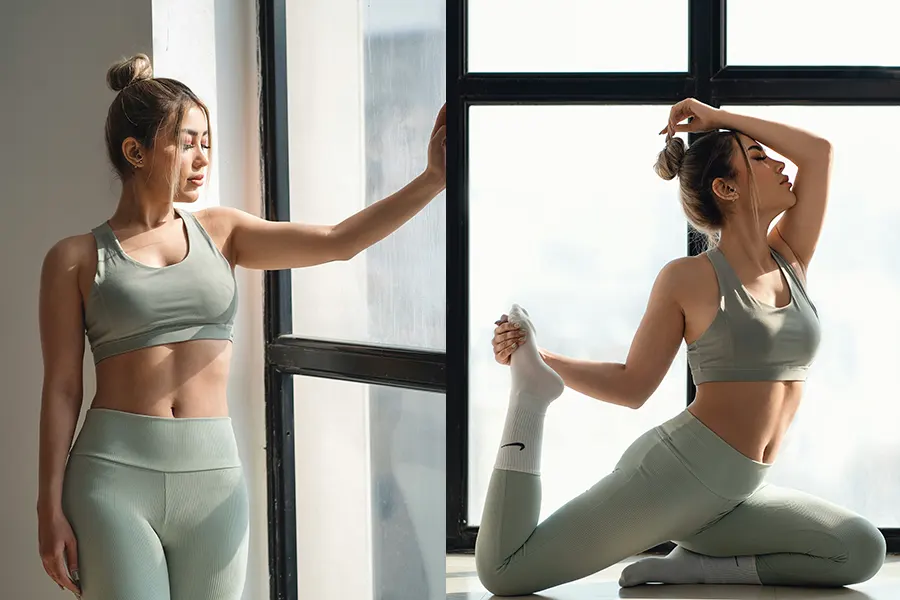
UPF 50+ Ratings: The Sun Protection Standard for Outdoors
A UPF 50+ rating is the highest industry standard, certifying that a fabric blocks at least 98% of UVA/UVB rays and meets ‘Excellent’ protection criteria.
What UPF 50+ Means: Blocking 98% of UV Radiation
A UPF 50+ rating certifies that the fabric blocks a minimum of 98% of both UVA and UVB rays, allowing only 2% (or 1/50th) of radiation to reach the skin. This performance level is categorized as ‘Excellent’ by the industry and is the minimum requirement to earn the Skin Cancer Foundation’s Seal of Recommendation.
Technical Standards and Durability Factors
Performance is verified against official testing protocols to ensure reliability. The key standards include:
- AATCC TM 183
- AS/NZS 4399
- DIN EN 13758-1
Effective UPF 50+ fabrics rely on tightly woven synthetics like polyester and nylon. These materials maintain their protective qualities for over 40 washes, outperforming fabrics with lower ratings that degrade much faster.
Lightweight Opacity: How to Make 200gsm Leggings Squat-Proof
Squat-proof 200GSM leggings depend on yarn and knit engineering, not fabric weight. High-twist yarn, dense knits, and specific nylon/spandex blends are the solution.
The Opacity Challenge with Low-GSM Fabrics
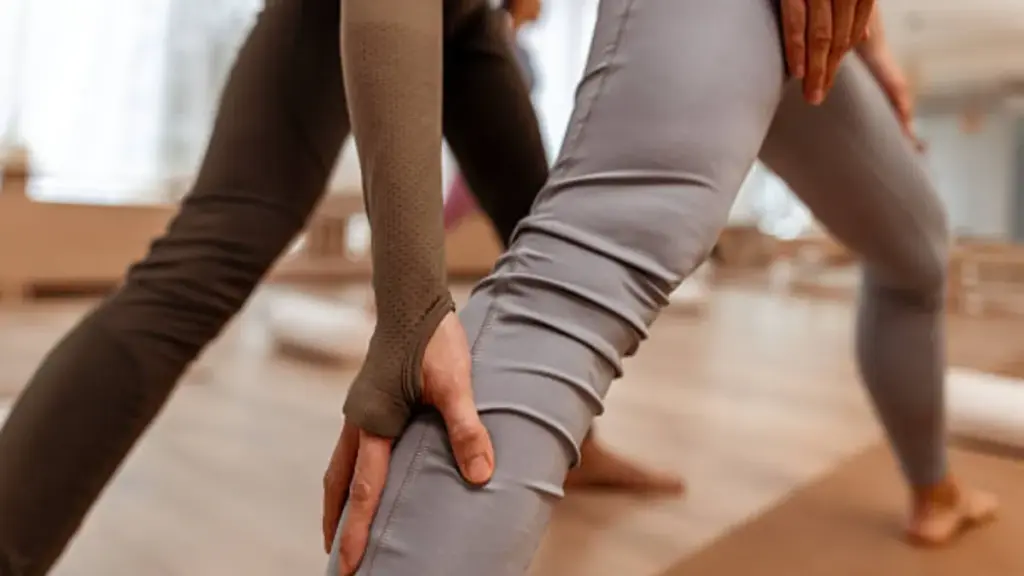
The industry standard for truly squat-proof leggings is a fabric weight of 250–320 GSM. Anything lighter, especially below 200 GSM, typically becomes transparent when stretched beyond 120%. This failure isn’t uniform; it concentrates in high-stress zones like inner-thigh seams where the elastane fatigues most after repeated use.
Engineering Solutions for Lightweight Coverage
Achieving opacity in a 200GSM fabric requires specific engineering, not just adding weight. The solution lies in the yarn and knit structure itself.
- Yarn Engineering: Use a high yarn twist of 1,200–1,400 turns per meter. This compacts the filaments, physically blocking more light from passing through.
- Knit Construction: Employ dense interlock knits or advanced dual-yarn seamless structures. These constructions distribute stretch radially, maintaining coverage instead of thinning out.
- Material Blend: Specify a nylon/spandex blend of 80–88% nylon and 12–20% spandex for optimal stretch recovery without sheerness.
When executed correctly, these engineered seamless tights can achieve 93–96% opacity retention even at 180% elongation—outperforming many heavier, standard-knit fabrics.
Cold Black Tech & Reflective Dyes
Cold black dyes absorb visible light but reflect heat-generating infrared radiation, keeping dark activewear cooler in direct sunlight without sacrificing style.

The Science of Cold Black: Reflecting Infrared Heat
Standard black fabrics get hot because they absorb both visible light and the sun’s heat-generating near-infrared (NIR) radiation. Cold black technology flips this. It uses specialized pigments engineered to look black by absorbing visible light but reflect the invisible NIR heat. By bouncing that thermal energy away, the fabric’s surface stays substantially cooler, making a real difference in comfort during outdoor activities.
Performance Metrics & Commercial Technology
The effectiveness of these pigments is measured objectively, not just marketed. The main performance indicators and required properties for apparel applications are clear:
- Key Metric: Total Solar Reflectance (TSR), which is tested using standards like ASTM E903 or ISO 9050.
- Commercial Example: The V-799 Cool Colors IR Black pigment is marketed specifically for its ‘Very High Solar’ reflectance capabilities.
- Durability Specs: For activewear, pigments must also provide excellent light fastness, heat stability, and non-migratory properties to ensure the cooling effect is permanent and withstands use.
Considerazioni finali
Competing on price with generic activewear is a losing game. Build a defensible brand by engineering products with verifiable specs like permanent cooling and true UPF 50+ protection.
Create a technical spec sheet for your next production run. Mandate a Q-max of 0.3+, UPF 50+ certification, and reject any supplier who cannot provide the test reports.
Domande frequenti
What should I wear with yoga pants in the summer?
Pair them with lightweight, moisture-wicking tops like tank tops or sports bras. For the pants, choose lightweight materials like polyester-spandex blends, opt for lighter colors that reflect heat, and consider capri or cropped styles for better ventilation.
What are the best yoga pants for hot weather?
The best options use moisture-wicking, breathable fabrics with four-way stretch. Prioritize technical materials like nylon-spandex, advanced polyester microfibers, or bamboo blends that manage sweat. Avoid traditional cotton, which absorbs moisture and gets heavy.
Can you get a tan through yoga pants?
Yes, but it depends on the fabric’s UPF (Ultraviolet Protection Factor) rating. A UPF 50+ rating blocks about 98% of UV rays. Unrated or light-weave fabrics, especially when stretched, allow much more radiation to pass through.
What defines ‘lightweight’ leggings for summer?
Lightweight is defined by fabric composition, usually synthetic blends like 88% Polyester / 12% Spandex that are moisture-wicking and quick-drying. These technical fabrics are engineered to be breathable and prevent heat from being trapped against the skin.
Is polyester hot to wear for summer workouts?
Basic polyester traps heat, but modern technical polyester used in activewear is different. It’s engineered with moisture-wicking properties and microfiber structures that pull sweat from the skin and promote airflow, keeping you cool.
What makes a fabric a ‘cooling fabric’ for sportswear?
A key metric is the Q-max value, which measures heat dissipation; over 0.18 W/cm² is effective. They often use technologies like moisture-activated polymers, microporous structures for rapid moisture management, and enhanced weaves that promote evaporative cooling.