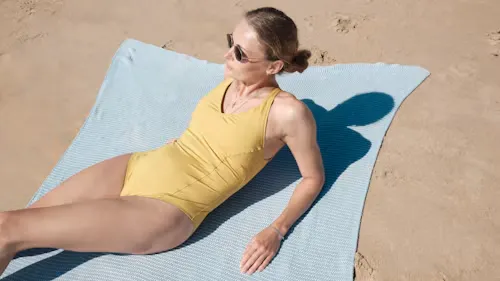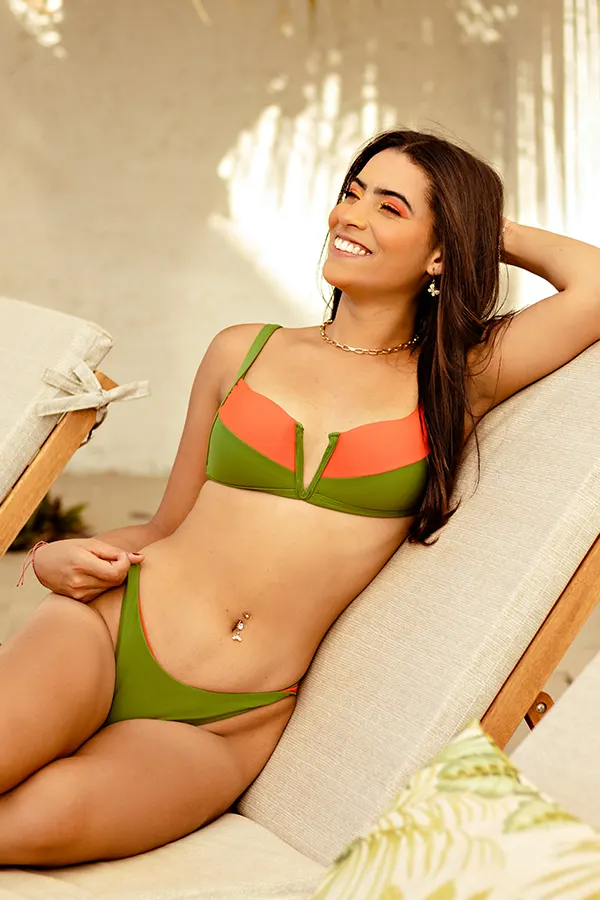
Custom Printed Bikinis give a swimwear line its personality. Leopard spots, florals and all-over artwork make a collection instantly recognizable. But printing is also where mistakes become most visible. A design can crack at the seams, bleed in chlorine or look flat compared with the original mockup.
This guide compares the main bikini printing methods: sublimation, heat transfer, screen printing and digital direct-to-fabric printing. It also explains how to match each method to your fabric and design, prepare artwork files, manage color matching and evaluate samples. Finally, you will learn how printing affects MOQ and private label production.
Custom Bikini Printing Methods Compared: Sublimation, Heat Transfer, Screen and DTG
Four printing methods cover most custom bikini work. 하지만, they differ in three ways: how the ink bonds to the fabric, which fabrics they suit, and how they behave at seams and under stretch.
| Method | How it works | Best for | Watch out for |
|---|---|---|---|
| Sublimation (all-over print) | Dye turns to gas under heat and bonds into polyester fibers; the print becomes part of the fabric | All-over patterns, panel printing, polyester-based bikinis | Requires polyester content; white fabric shows colors best |
| 열전달 | A printed film or paper is pressed onto the fabric with heat | Logos, small graphics, nylon-based fabrics | Thicker hand-feel; quality varies with transfer type |
| 스크린 인쇄 | Ink is pushed through a mesh screen, one color per screen | Bold graphics, few colors, larger runs | Per-color setup; less economical for tiny orders |
| Digital direct-to-fabric (DTG/DTF) | Inkjet-style printhead applies artwork directly to fabric or film | Complex multi-color artwork, short runs | Hand-feel and durability depend on ink and finishing |
Sublimation Printing: Best for Polyester-Based Bikinis
Sublimation is the standard method for all-over printed swimwear. The design is printed onto transfer paper and heat-pressed into the fabric. Under heat, the dye turns into a gas and bonds directly into polyester fibers. Because the ink becomes part of the fabric, the print cannot crack, peel or fade like a surface coating. Instead, it stretches with the garment. It also survives chlorine and sun far better than surface inks.
The trade-off is the fabric. Sublimation needs polyester or a high-polyester blend. On top of that, it works best on white or light base fabrics, because the fabric color shows through. That is why most all-over printed bikinis use white polyester-spandex panels.
Heat Transfer and Screen Printing: When They Work for Swim Fabrics
Heat transfer presses a pre-printed graphic onto the fabric surface. As a result, it works on nylon-based bikinis that sublimation cannot handle. It is also ideal for small placements, such as a logo at the hip or a graphic on the chest. But quality depends heavily on the transfer material. Cheap transfers feel stiff and can crack over stretch. Quality transfers stay flexible and hold up in water.
Screen printing pushes ink through a mesh screen, one screen per color. The result is bold, opaque colors with excellent durability. In addition, it is the classic choice for simple graphics with one to three colors. 하지만, setup is per color. So it makes economic sense when you spread the cost over a larger run. For a single-sample request, digital methods are usually the better fit.
Digital Direct-to-Fabric Printing for Complex Artwork
Digital printing applies artwork with an inkjet-style printhead. That means unlimited colors and no per-color setup. For that reason, it is the right tool for photorealistic artwork, gradients and intricate multi-color designs — especially in short runs. 하지만, durability and hand-feel depend on the ink system and finishing. So ask for a wash-and-stretch test on the actual fabric before you commit to a bulk order.
ASG 패션에서, printing options include digital printing, screen printing, heat transfers and all-over prints. We also offer hand-applied finishes like embroidery and beading. In addition, silicone 3D artwork is available for raised logos and graphics.
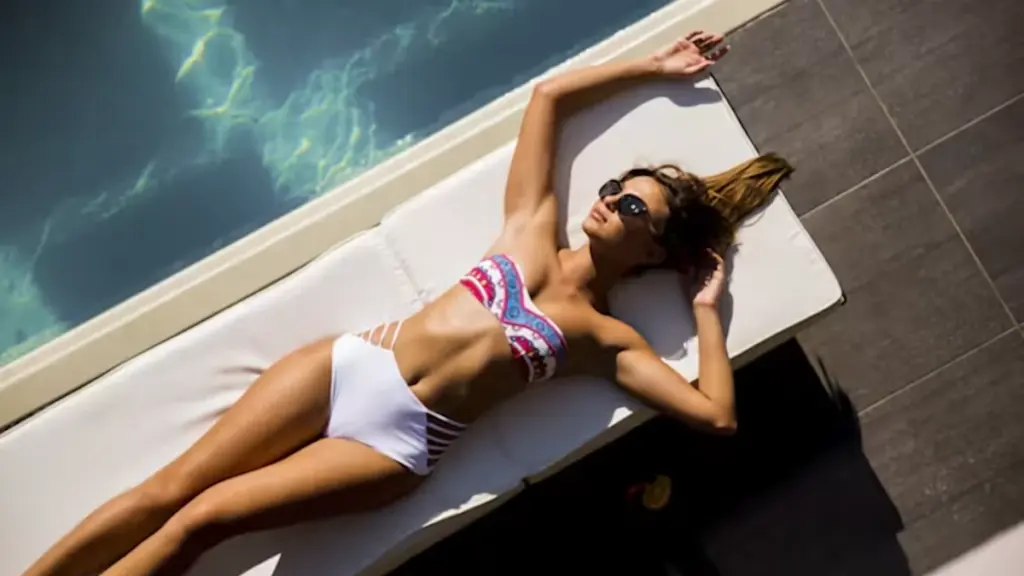
Choosing the Right Technique for Your Custom Print Bikini
The right printing method is decided by two things. First, the fabric the bikini is made from. Second, the conditions the print will face.
Fabric Compatibility: Polyester vs Nylon-Based Swim Fabrics
Polyester-based bikinis can take sublimation. In fact, that method gives the most durable all-over prints. Nylon-based bikinis are different. Nylon is the soft, glossy fabric many fashion bikinis use, and it cannot be sublimated. So nylon designs use heat transfer, screen printing or digital printing instead. In short, the method and the fabric must be chosen together — not independently. If you are still deciding on fabric, our custom swimwear fabric guide covers the options and their printing implications.
Colorfastness and Durability in Water, Sun and Chlorine
Swimwear prints face the harshest conditions in apparel. Think of repeated wetting and drying, 염소, salt, sunscreen and strong sun. Sublimation prints resist these conditions best, because the dye lives inside the fiber. Surface methods are more delicate. Transfers and screen inks need inks rated for swim use. Even then, the manufacturer should test colorfastness on the finished garment. When you evaluate samples, stretch the printed panel hard. Rub it when wet. And check the seams. A print that flakes at the edges will fail in the field.

Artwork Requirements for Custom Bikini Printing
Print quality starts with the file you send. Clean artwork reduces revisions and keeps sampling on schedule.
Resolution, Bleed and Color Mode: CMYK vs RGB
Submit artwork at print resolution. The standard starting point is 300 DPI at the final print size. Also add bleed around the edges of the placement, so the print does not end abruptly. Note that colors print in CMYK, not RGB. Screen colors shift when converted. Therefore, expect the first sample to show the true printed colors. Always approve from the physical sample rather than your monitor. For logos and graphics, vector files (AI or PDF) are ideal. Layered files also make revisions much easier.
Print Placement: All-Over, Panel and Logo Printing
Placement changes both the technique and the pattern work:
- All-over prints cover the whole garment. The pattern must be engineered so the print matches across panels and along seams. Otherwise, stripes and large motifs break at the seam lines.
- Panel prints place artwork on specific areas, such as the front of a top or the back of a bottom. Placement is set on the pattern. That way, every garment in the run is consistent.
- Logo prints use heat transfer, screen printing or silicone 3D artwork for small branding placements. They are often combined with an all-over or panel print.
During sampling, check how the print sits across seams and panels. A print that looks right flat can distort once the fabric is cut and sewn. 그리고 ASG, samples include a print-placement check. So you can adjust before bulk.
Color Matching and Sampling for Custom Printed Bikinis
Printed colors are approved in two steps. First, a strike-off or print lab dip shows the artwork printed on the actual fabric. That way, you can correct color shifts before production. Second, the finished sample shows the print in its real position, across seams and under stretch. Matching a print exactly to a reference takes a conversation with the manufacturer. References can be another brand’s garment, a Pantone swatch or a photograph. Not every color is achievable on every fabric. Tight matches on dark or heavily textured fabrics are harder than on smooth white polyester. Build both steps into your timeline. And approve the physical sample rather than a digital proof.
Custom Printed Bikinis for Brands: MOQ and Private Label Options
Printing affects your order economics. So it belongs in the MOQ conversation from the start.
MOQ Differences by Printing Method
Each printing method has its own cost structure. Screen printing carries per-color setup costs, which favor larger runs. Sublimation all-over prints need printable polyester panels, usually prepared in batches. Digital methods are the most flexible for small and trial runs. 실제로, tell the manufacturer your expected quantity before you finalize the printing method. The economical method changes with volume. ASG 패션에서, samples start from a single piece. Bulk production starts at 300 pieces per style and color. Confirm print-specific minimums when you request a quote.
Private Label and Packaging for Custom Printed Swimwear
A custom print is already half of your brand identity. The other half is the label, hang tag and packaging. ASG’s private label service adds these elements to the finished garment. We attach your logo, woven or printed labels, hang tags and packaging. As a result, the printed bikini arrives retail-ready. We also offer water-based inks for brands that want softer, eco-conscious prints. They work on recycled materials too. For the full picture of branding with custom production, see our private label page. You can also browse our bikini collections for print inspiration.
최종 생각
Custom bikini printing is a fabric decision as much as a design decision. Polyester designs get the most durable all-over prints through sublimation. Nylon designs work best with heat transfer, screen or digital methods. So lock the fabric first. Then prepare clean artwork. Approve the physical sample, including how the print sits on the seams. Finally, confirm MOQ before the bulk order.
If you have artwork — or just an idea for a print — ASG 패션 can take it from file to finished bikini. Contact our team to discuss your custom printed bikini project.
자주 묻는 질문
Which printing method is best for bikinis?
It depends on the fabric and the design. For polyester-based bikinis and all-over patterns, sublimation gives the most durable result because the dye bonds into the fiber. For nylon-based bikinis or small logo placements, heat transfer, screen printing or digital printing are the usual choices. The manufacturer should match the method to your fabric and quantity.
What file format do I need for custom bikini printing?
Send vector files (AI or PDF) for logos and graphics, 그리고 300 DPI artwork at final print size for raster designs, with bleed added and colors in CMYK. If you are unsure, send the best-quality file you have — the manufacturer’s design team can usually prepare it for print.
Do custom printed bikinis fade in water?
A properly executed print should hold up to repeated swimming. Sublimation prints are the most resistant because the color is inside the fiber; surface methods need swim-rated inks and proper curing. Before bulk production, ask to stretch, rub and wet-test the printed sample, and confirm colorfastness testing on the finished garment.