Comparing USA vs. China swimwear manufacturers is not simply about deciding which country offers better production. It is about matching your order requirements with the right manufacturing capabilities. Small-batch collections and large-volume replenishment orders involve different cost structures, minimums, shipping expenses, and production arrangements. Comparing factory quotes alone can therefore lead to misleading cost assumptions.
This article compares swimwear manufacturing in the USA and China across costs, Quantidade mínima, customization, prazos de entrega, quality control, and supplier communication. It also explains how brands can evaluate both options based on order size, profit margins, and production schedules.
USA vs. China Swimwear Manufacturers: Quick Comparison
The table summarizes how the two regions differ on the seven factors brand owners weigh hardest. Each factor gets a full working-over in the sections that follow.
| Comparison Factor | USA Manufacturers | China Manufacturers |
|---|---|---|
| Manufacturing costs | Higher labor and operating costs; generally higher unit prices | Lower unit costs at volume; direct access to fabric suppliers in textile clusters |
| Quantidade mínima | Generally lower minimums at boutique studios; larger factories may require higher order volumes | Varies by factory, product type, and customization requirements; some suppliers offer flexible minimums |
| Personalização | Strong pattern and fit development; custom fabric and print options may be limited at small volumes | Extensive OEM/ODM capabilities, including custom fabrics, placement prints, and private labeling |
| Material sourcing | Performance swim fabrics are often imported from overseas mills | Integrated fabric, printing, trim, and sewing supply chains |
| Production lead time | Shorter domestic shipping times; small production runs may have faster turnaround | Bulk production may take around 30 dias, plus additional international shipping time |
| Quality control | Depends on factory standards; domestic visits and on-site audits may be easier to arrange | Depends on factory standards; third-party inspection and testing services are available |
| Communication | Easier real-time communication and direct factory visits for US-based brands | Time zone differences may require scheduled calls and structured production updates |
China generally offers advantages in production costs, volume capacity, and customization, while the USA may suit brands prioritizing small orders, shorter domestic shipping, and Made-in-USA positioning. Qualidade, reliability, and communication ultimately depend on each manufacturer’s capabilities and management practices.

Manufacturing Costs: USA vs. China
A swimwear quote covers only part of the cost. Labor, materiais, production expenses, shipping, and import duties all affect the final price.
Labor and Production Costs
Labor is a major factor in the cost difference between US and Chinese swimwear manufacturers. US factories generally face higher wages, rent, insurance, and operating expenses, especially for complex styles that require detailed sewing.
California also has specific garment labor rules. Under the Garment Worker Protection Act (SB 62), covered garment workers must receive hourly wages rather than piece-rate pay. These requirements affect factory costs and may matter to brands working with retailers that enforce supplier standards.
In China, lower labor costs and established production networks can support more competitive unit prices. Larger orders also help factories spread setup and cutting costs across more pieces. Brands should compare quotes using the same designs, materiais, specifications, and order quantities.
Material Sourcing and Additional Expenses
Performance swim fabrics, including nylon-spandex blends and recycled materials, come from mills in China, Taiwan, and Italy. Both US and Chinese manufacturers may use these suppliers, but purchasing costs vary by order size and sourcing channels.
China’s textile clusters connect fabric mills, printing suppliers, trim makers, and sewing factories. This makes custom prints, branded details, and packaging easier to coordinate. US manufacturers may rely more on imported fabrics and local distributors, while small custom orders can face higher material costs and minimum requirements.
Brands should also check these additional expenses:
- Tecido: Composition, cores, and minimum purchase quantities.
- Printing: Setup fees and custom print minimums.
- Guarnições: Etiquetas, elastic, and branded hardware.
- Embalagem: Custom bags, etiquetas, and retail boxes.
Total Landed Cost
The factory quote is not the final sourcing cost. Brands should calculate the total landed cost, incluindo:
- FOB price: Product cost under agreed shipping terms.
- Freight and insurance: Shipping and cargo coverage.
- Duties and tariffs: Charges based on product classification and origin.
- Customs fees: Clearance, port handling, and local delivery.
- Testing and inspection: Required product tests and quality checks.
US imports of knitted swimwear may fall under HS heading 6112, depending on product classification. Additional tariffs may apply to Chinese-origin goods, so brands should confirm current rates with a customs broker.
For a broader startup budget, see our guide on how much it costs to start a swimwear line.
China may offer lower production costs and stronger sourcing support for larger orders, while US production can reduce international shipping and import expenses. The final difference depends on order volume, product specifications, and delivery requirements. Compare total costs per piece rather than factory quotes alone.
Explore Custom Swimwear Manufacturing With ASG
From fabric sourcing and product development to sampling and bulk production, ASG supports swimwear brands with tailored OEM and ODM manufacturing solutions in China.
OEM & ODM | Custom Designs | In-House Sampling
Discuss Your Swimwear Project →Minimum Order Quantities and Order Flexibility
Minimum order quantities affect how easily brands can test new designs, manage inventory, and scale production. US and Chinese manufacturers offer different levels of flexibility depending on their production models.
MOQ Requirements for Small and Growing Brands
US swimwear manufacturers, particularly boutique studios and small workshops, may accept smaller orders at higher unit prices. Larger domestic factories generally require more pieces per style to cover setup and production costs. Chinese manufacturers often focus on larger production runs, although some export-focused factories offer flexible minimums for smaller brands.
Before placing an order, brands should clarify how each factory calculates its MOQ. Key details include:
- Per-style MOQ: Whether the minimum applies separately to each design.
- Per-color MOQ: Whether each colorway has its own minimum order requirement.
- Sample orders: Whether sample production follows separate minimum requirements.
- Reorders: Whether repeat orders can use lower minimums than initial orders.
These terms affect the total order quantity and how easily brands can test new designs before committing to larger production runs.
Small-Batch Production and Reordering Flexibility
US manufacturers often support smaller production runs because boutique studios and smaller workshops can handle more flexible order arrangements. No entanto, lower minimums usually come with higher unit prices, as factories need to cover pattern adjustments, cutting preparation, and production setup across fewer pieces. This approach can suit emerging brands that want to test new styles without holding large amounts of inventory.
Chinese manufacturers generally focus on larger production runs, where established supply chains and production capacity help support repeat orders. Some factories also accept smaller follow-up orders, depending on fabric availability, production schedules, and existing agreements. No entanto, international shipping adds time to replenishment, so brands need to plan inventory and reorder schedules in advance.
Overall, US production may suit brands that need smaller orders and frequent replenishment, while China can support larger seasonal orders and planned production cycles. The best arrangement depends on MOQ terms, unit costs, inventory needs, and supplier flexibility.
Product Development and Customization Capabilities
Product customization shapes how brands develop distinctive swimwear collections, from fabric selection and fit adjustments to private labeling. US and Chinese manufacturers offer different resources and development approaches.
Fabric Selection and Sourcing
Both markets can source performance fabrics from international mills, including nylon-spandex blends and recycled materials. The main difference lies in supplier networks and purchasing arrangements.
China’s textile clusters connect fabric mills, dyeing facilities, printing suppliers, and garment factories. This makes it easier to coordinate custom colors, placement prints, fabric weights, and matching trims through one supply network.
US manufacturers can access similar materials through importers and distributors. No entanto, custom fabric development may involve more sourcing steps, higher purchase requirements, and additional coordination with overseas suppliers. Domestic sourcing can still work well for standard fabrics, while specialized materials may require broader supplier support.
Brands should compare fabric composition, GSM (gramas por metro quadrado), stretch and recovery, color consistency, and print quality. Our guide to choosing fabric for custom swimwear explains these specifications in more detail.
Criação de padrões, Fit Development, and Sampling
US studios may offer more direct collaboration through in-person fittings, sample reviews, and face-to-face adjustments. This can help brands resolve fit issues quickly, especially when developing new styles or refining patterns.
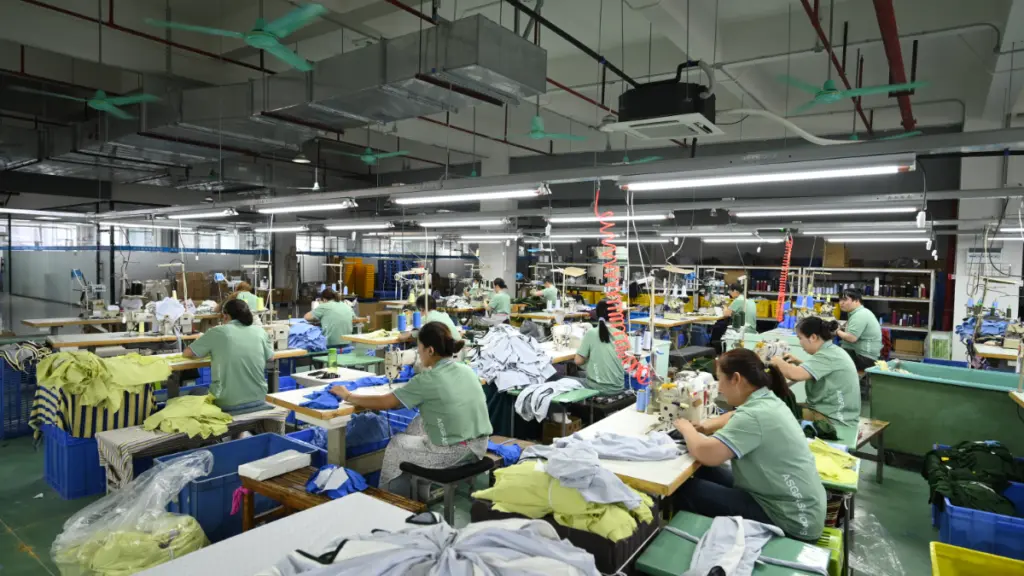
Chinese manufacturers commonly manage development through tech packs, measurement charts, construction details, and sample feedback. Factories with in-house sample rooms can handle pattern adjustments and revisions within their own production teams. This approach suits overseas brands that can provide clear specifications and structured feedback.
Before sampling, brands should prepare:
- Tech packs: Design drawings, fabric details, and construction requirements.
- Size specifications: Measurement charts, grading rules, and fit tolerances.
- Sample feedback: Photos, measurement corrections, and requested changes.
Clear specifications help reduce repeated revisions before bulk production.
Private Label and OEM/ODM Services
Manufacturers offer different levels of design and branding support:
- OEM: Produces swimwear based on the brand’s designs and specifications.
- ODM: Provides existing designs or development options that brands can adapt.
- Marca Própria: Adds brand identity through labels, hangtags, embalagem, and other customized details.
Chinese export manufacturers often combine these services with fabric sourcing, printing, amostragem, and production. This allows brands to coordinate more development tasks through one supplier. US studios can also provide private-label services, although some rely on external suppliers for fabrics and branding materials.
ASG Fashions supports OEM and ODM swimwear development in Guangdong, with private-label finishing and coordinated fabric, imprimir, and trim sourcing. Brands can manage design development, material selection, amostragem, and branding through one production partner.
Production and Delivery Lead Times
Production schedules, shipping methods, and seasonal demand all affect when swimwear reaches the market. US and Chinese manufacturers offer different timelines and planning requirements.
Sampling and Bulk Production Timelines
US studios may offer faster sample adjustments through direct communication and in-person fittings. No entanto, sampling schedules depend on studio workload, design complexity, and the number of revisions required.
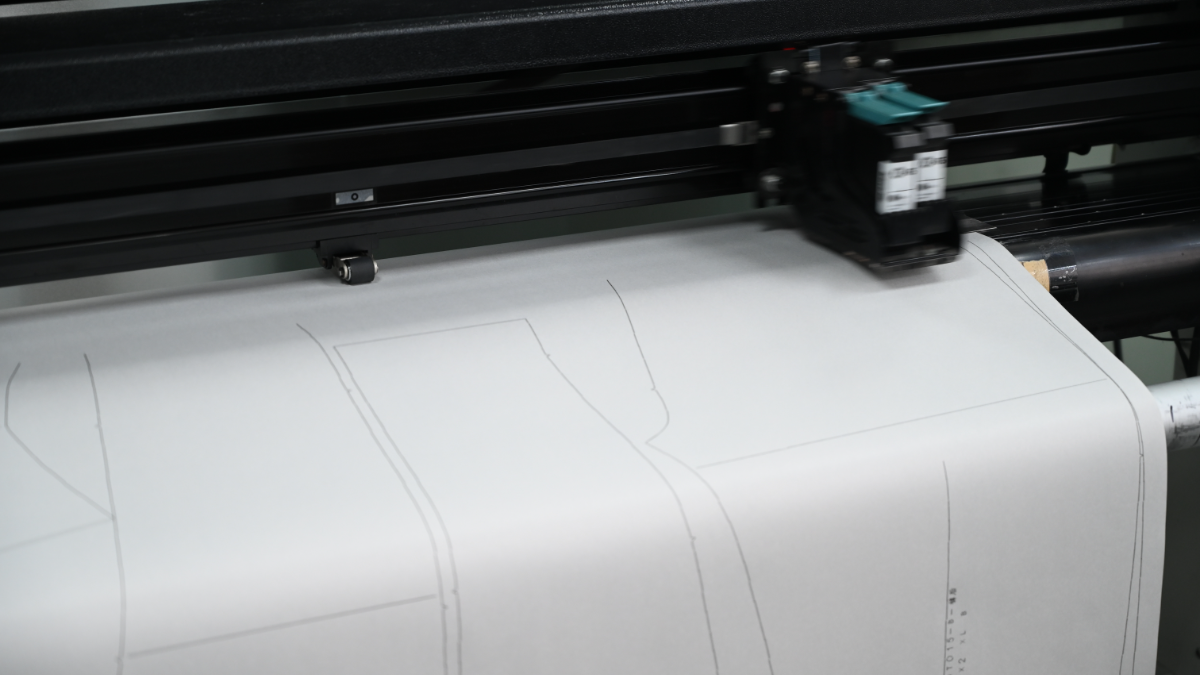
Chinese manufacturers with in-house sample rooms can manage pattern development and sample revisions within their production teams. Bulk production schedules depend on order volume, fabric availability, factory capacity, and production complexity. Larger orders may require additional planning and coordination.
Brands should compare the full production timeline rather than focusing only on the bulk manufacturing period. Sample development, approval, material preparation, produção, and quality inspection all need to be included when setting a launch date.
Domestic vs. International Shipping
Domestic production generally offers shorter shipping routes and fewer logistics steps. US brands sourcing locally can avoid international customs procedures and reduce exposure to port congestion and cross-border transportation delays.
Shipping from China involves additional lead time for international freight and customs clearance. Ocean freight is generally more economical for larger shipments, while air freight can support urgent replenishment at a higher cost. The actual transit time depends on the destination, shipping method, carrier schedules, and customs processing.
Brands should also confirm shipping responsibilities before production begins. Key details include:
- Incoterms: Define which party handles transportation, insurance, and import responsibilities.
- Customs clearance: Confirm the required documents, duties, and importer responsibilities.
- Shipping method: Balance freight costs against inventory needs and delivery deadlines.
Seasonal Production Planning
Swimwear brands need to align production schedules with seasonal demand. Spring and summer collections often require advance planning so finished products arrive before peak selling periods.
Chinese New Year can affect factory schedules in China. Many manufacturers adjust production plans and order cutoffs ahead of the holiday, which may delay orders placed too late. Brands should confirm factory closure dates, material availability, and production slots before committing to a launch schedule.
US manufacturers may offer more flexibility for late-stage orders and domestic replenishment, but their capacity can also become limited during peak seasons. A practical approach is to schedule larger seasonal orders in advance and reserve smaller follow-up orders for inventory adjustments where supplier capacity allows.
Quality Control and Manufacturing Standards
Swimwear quality depends on factory procedures, inspection standards, and product testing rather than manufacturing location alone. Brands should evaluate how suppliers control quality throughout production.
Fabric and Material Inspection
Quality control starts with incoming materials. Before cutting, manufacturers should check:
- Fabric weight: Verify GSM against the agreed specifications.
- Color consistency: Check shade differences between rolls and dye lots.
- Stretch and recovery: Assess whether fabric retains its shape after repeated stretching.
- Colorfastness: Test resistance to chlorine, perspiration, and light exposure.
Some manufacturers use four-point inspection to identify and grade fabric defects. Brands should ask whether incoming inspection reports are available and how suppliers handle materials that fail inspection.
In-Process and Final Quality Checks
Quality checks should continue throughout production, not just before shipment. When evaluating US and Chinese manufacturers, brands should ask about three areas:
- In-process inspection: Are stitching, seams, elastic attachment, and construction checked during production?
- Measurement control: Are garment measurements compared with approved size specifications during production and final inspection?
- Final inspection: Does the factory issue an inspection report, and does it follow an agreed AQL (Acceptable Quality Limit) sampling standard?
Both US and Chinese manufacturers can provide documented quality control. Brands can also arrange independent inspections through providers such as SGS, Intertek, or Bureau Veritas. Our swimwear manufacturer quality checklist covers the key points to review before placing an order.
Compliance and Product Testing
Swimwear testing requirements depend on the target market, product materials, and intended users. Relevant checks may include:
- Colorfastness: Resistance to chlorine, perspiration, and light exposure.
- Fabric performance: Stretch, recuperação, and dimensional stability.
- Chemical safety: Testing for restricted substances under applicable regulations, such as EU REACH requirements.
- Children’s swimwear: Additional requirements may apply, including CPSIA rules for products sold in the US market.
Brands should verify each certificate’s scope, validity, and issuing organization rather than relying on certificate logos alone. It is also important to distinguish product testing from factory-level audits. For example, a BSCI audit evaluates social compliance and working conditions; it does not certify the quality or safety of a specific swimwear product.
Before production, confirm which tests and documents are required for your destination market and whether the supplier can provide valid reports for the relevant materials and products.ams. Product test reports from named third-party labs, matched to your fabric and your market, are the documents that protect you.
Supplier Communication and Cooperation Experience
Supplier cooperation involves more than placing orders. Communication, production updates, and problem resolution all affect how smoothly brands manage manufacturing partnerships.
Communication and Time Zone Differences
Working with US manufacturers allows domestic brands to communicate within similar business hours and arrange in-person meetings when needed. This can make design discussions, sample reviews, and urgent adjustments easier to coordinate.
Working with Chinese manufacturers may involve time zone differences, which can delay responses to questions and production decisions. Export-oriented factories often have English-speaking sales or merchandising teams, but clear written communication remains important.
Brands should establish a consistent communication process from the beginning. Detailed tech packs, written specifications, revision records, and confirmed decisions help prevent misunderstandings during production. Production schedules should also account for major factory holidays, including Chinese New Year and Golden Week.
Order Tracking and Production Updates
Regular production updates help brands monitor order progress and identify delays before they affect delivery schedules. Before placing an order, confirm how the manufacturer reports key production milestones.
Useful updates may include:
- Material preparation: Fabric and trims received and approved.
- Production progress: Corte, de costura, and assembly completed.
- Quality inspection: Inspection results and outstanding issues.
- Shipment: Final quantities, shipping documents, and dispatch status.
Some export manufacturers provide dated photos, videos, or written progress reports for overseas buyers. US manufacturers may offer more direct communication through calls or site visits. Regardless of location, brands should keep written records of production changes, approved samples, and delivery commitments.
Problem Resolution and Long-Term Cooperation
Brands should agree on defect definitions and corrective actions before production starts. Important contract terms include acceptable quality standards, rework or replacement arrangements, responsibility for return shipping, and procedures for handling disputes. For custom designs, confidentiality and intellectual property protection should also be addressed in the manufacturing agreement.
Long-term cooperation can improve production coordination in both markets. Manufacturers become more familiar with a brand’s patterns, specifications, expectativas de qualidade, and order requirements. This can simplify repeat development, support production planning, and create opportunities for better pricing as order volumes grow.
Clear specifications, predictable ordering schedules, timely payments, and documented feedback help build more reliable supplier relationships. Our guide on how to choose a swimwear manufacturer provides a structured approach to evaluating potential partners.
How to Choose Between USA and China Swimwear Manufacturers
The best manufacturing location depends on your order requirements, cost targets, customization needs, and delivery schedule. Compare each region against your business priorities before making a decision.
When to Choose a USA Swimwear Manufacturer
- Made in USA positioning: Domestic manufacturing supports your brand positioning, and your production process meets the FTC’s “all or virtually all” standard for unqualified Made in USA claims.
- Shorter domestic delivery: You need to reduce international shipping time and receive inventory closer to your sales market.
- Frequent small-batch orders: Your business relies on smaller production runs and regular replenishment.
- Direct communication: You prefer local meetings, factory visits, and coordination within similar business hours.
When to Choose a China Swimwear Manufacturer
- Production cost control: You want to manage manufacturing costs through competitive sourcing and production at scale.
- Extensive customization: You need custom fabrics, placement prints, size grading, OEM/ODM development, and private-label finishing.
- Scalable production capacity: Your business requires consistent bulk production and the ability to increase order volumes over time.
- Integrated supply chain: You prefer to coordinate fabric sourcing, printing, guarnições, and garment production through fewer suppliers.
- Long-term product development: You plan to expand your swimwear collection and build repeat production programs.
What to Check Before Choosing a Manufacturer
Regardless of location, evaluate each shortlisted manufacturer against the same criteria:
- MOQ and production capacity: Confirm whether the factory can handle your initial order and accommodate future volume increases.
- Customization capabilities: Verify fabric, printing, size grading, rótulos, and packaging options through actual samples.
- Sampling and production timelines: Request written schedules covering sample development, approvals, material preparation, and bulk production.
- Quality control procedures: Review incoming material checks, in-process inspections, final inspection standards, and quality reports.
- Communication and order management: Confirm your main contact, production update frequency, and procedures for handling changes or delays.
- Shipping and after-sales support: Clarify Incoterms, delivery responsibilities, defect-resolution arrangements, and support for rejected goods.
Considerações Finais
USA and China swimwear manufacturers offer different advantages depending on order size, customization needs, production costs, and delivery requirements. US production may suit brands prioritizing smaller runs and domestic delivery, while China can support extensive customization, integrated sourcing, e produção escalável. Some brands also start with domestic production before moving proven styles to overseas factories as demand grows.
ASG Modas is a China-based swimwear manufacturer offering OEM, ODM, and private label services. With in-house sampling and flexible production options, ASG supports brands developing custom swimwear collections. If you are planning a new swimwear line or looking for a manufacturing partner, contact ASG Fashions to discuss your project requirements and request a quotation.
Perguntas frequentes
Is it cheaper to manufacture swimwear in China or the USA?
China is generally more cost-competitive for bulk swimwear production due to its manufacturing scale and integrated textile supply chain. No entanto, the total cost also depends on fabric sourcing, order volume, shipping, import duties, and customs fees. Brands should compare total landed costs rather than factory quotes alone.
What is the typical MOQ for swimwear manufacturers in the USA and China?
MOQ varies by manufacturer, product type, and customization requirements. Some US studios accept smaller production runs, while larger factories may require higher volumes. Chinese manufacturers also vary in flexibility. Confirm whether the MOQ applies per style, per color, or to the total order, and ask about minimums for repeat orders.
Can I develop swimwear samples in China before placing a bulk order?
Sim. Many Chinese swimwear manufacturers offer in-house sampling, allowing brands to review fabric, ajustar, construction, and branding before bulk production. Provide a tech pack, sketches, or reference images to communicate your requirements. Review and approve the sample before confirming the final specifications for bulk production.
Does manufacturing swimwear in the USA guarantee better quality than production in China?
Não. Swimwear quality depends on fabric selection, desenvolvimento de padrões, sewing standards, inspection procedures, and factory management rather than manufacturing location alone. Ask suppliers for product samples, documented quality control procedures, measurement standards, and relevant testing records before placing a bulk order.
What information should I provide when requesting a swimwear manufacturing quote?
Prepare your product designs or tech pack, estimated order quantity, faixa de tamanho, color options, fabric preferences, printing requirements, and branding details. Include your target delivery date and destination market as well. Providing these details helps manufacturers evaluate production requirements and prepare a more accurate quotation.