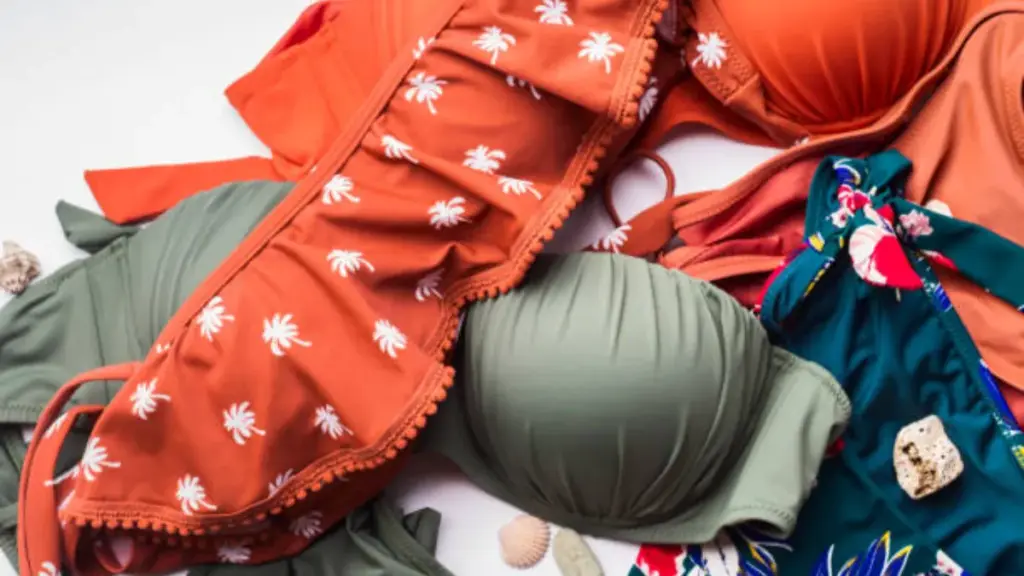
The global swimwear industry has grown beyond a seasonal beachwear category. It now spans fashion, performance, resort, children’s, modest, and other specialized swimwear, supported by tourism, water-based activities, online retail, and changing consumer preferences. Recent market studies place the global swimwear market in the $23–29 billion range for 2025, with continued mid-single-digit growth expected in the coming years.
For B2B buyers, the opportunity is not simply a growing market. The industry is becoming more segmented, with established brands, new DTC businesses, wholesalers, and niche swimwear companies seeking different products and production models. Customization, online sales, sustainability, and flexible production are also changing sourcing requirements. This guide examines the swimwear industry through market structure, B2B buyers, key trends, business models, and sourcing fundamentals.
Key Takeaways
- The global swimwear market is a multi-billion-dollar industry with continued growth expected in the coming years.
- Swimwear demand is becoming more segmented across fashion, performance, children’s, modest, plus-size, and other specialized categories.
- Customization, DTC e-commerce, sustainability, inclusive sizing, and small-batch production are reshaping how swimwear brands develop and source products.
- Private label, DTC, wholesale, and niche swimwear offer different business models for brands entering or expanding in the category.
- These trends are also changing supplier expectations, including flexibility, product development speed, compliance, and the ability to scale production.
Swimwear Market Overview
Swimwear has developed beyond seasonal beachwear, with demand now covering fashion, leisure, sports, and specialized consumer needs across global markets.
Market Size and Growth
The global swimwear market is worth tens of billions of dollars, although estimates vary by market definition and research methodology. Most forecasts indicate steady growth in the coming years, supported by tourism, leisure activities, e-commerce, and broader consumer demand.
Women’s swimwear remains the largest segment, while men’s and children’s swimwear serve distinct and established markets. At the same time, plus-size, modest, and performance swimwear are creating more specialized areas of demand.
Major Swimwear Categories
The swimwear industry now covers several major categories, with different products serving different audiences, occasions, and performance needs.
| Category | Main Demand |
|---|---|
| Women’s Swimwear | Fashion, beachwear, resort, and seasonal collections |
| Men’s Swimwear | Leisure, holidays, and water-based activities |
| Children’s Swimwear | Family holidays, swimming lessons, and recreation |
| Plus-Size Swimwear | Extended sizing, fit, support, and coverage |
| Functional / Performance Swimwear | Swimming, surfing, training, UV protection, and specialized activities |
These categories can also overlap, allowing brands to target specific audiences through combinations such as plus-size fashion swimwear or performance-focused women’s collections.
Where the Market Is Growing
Regional demand varies with climate, tourism, consumer lifestyles, purchasing habits, and the popularity of online shopping.
- North America has broad demand across fashion, leisure, and performance swimwear, supported by established retail and e-commerce markets.
- Europe combines fashion and tourism demand with growing attention to sustainability, product quality, and specialized categories.
- Asia-Pacific includes both mature fashion markets and emerging markets where tourism, e-commerce, and rising consumer spending are creating new demand.
These differences mean that growth opportunities vary by region and product category, rather than following one global demand pattern.
Who Buys Swimwear at B2B Volume?
Swimwear buyers range from established retailers to new DTC brands, wholesalers, and organizations with different purchasing goals and production requirements.
Established Brands and Retailers
Established swimwear and fashion brands often purchase through private label or custom production for seasonal collections and ongoing product lines. Their orders tend to be more predictable, with greater attention to product consistency, production capacity, and reliable delivery as collections scale.
New Swimwear Brands and DTC Businesses
New brands can enter the market through independent websites, social commerce, marketplaces, or influencer-led businesses. Many start with smaller product runs to test designs, pricing, and customer response before committing to larger orders. This creates demand for suppliers that can support product development while allowing brands to scale gradually.
Wholesalers and Distributors
Wholesalers and distributors purchase swimwear in volume and resell it through retailers, regional channels, or other business networks. Their focus often centers on competitive pricing, consistent supply, product range, and delivery reliability, especially when they serve multiple downstream customers.
Hospitality and Institutional Buyers
Some swimwear demand comes from businesses and organizations rather than traditional fashion retailers. Resorts, hotels, swim schools, sports organizations, and similar buyers may need products for staff, customers, training, events, or specific activities. Their requirements tend to place more emphasis on function, durability, sizing, and repeat supply.
What Different Buyers Look For
Although these buyers operate in the same industry, their priorities can differ significantly depending on their business model and sales channel.
| Buyer Type | Typical Needs |
|---|---|
| Established Brands & Retailers | Consistency, capacity, private label, and reliable production |
| New Brands & DTC Businesses | Flexible production, sampling, smaller initial orders, and scalability |
| Wholesalers & Distributors | Price, volume, product range, and delivery |
| Hospitality & Institutional Buyers | Function, durability, sizing, and repeat supply |
This mix of buyers helps explain why the swimwear industry is becoming more segmented. Different business models create different product requirements, purchasing patterns, and opportunities for suppliers.
You may be interested in: The Complete Guide to B2B Swimwear Sourcing: From Design to Bulk Order

Key Trends Reshaping the Swimwear Industry
Digital commerce, changing consumer needs, and sustainability expectations are reshaping how swimwear brands develop products and reach customers.
Customization and Private Label Are Expanding
Brands are moving beyond standard products to create collections that match specific audiences and brand identities. Common customization includes:
- Product details: Custom colors, prints, labels, hangtags, and sizing
- Private label: Branded products developed around a retailer’s or brand’s own identity
- Targeted collections: Products designed for specific customer groups or market niches
As the market becomes more segmented, customization gives brands more ways to differentiate their products without competing only on price.

Turn Swimwear Market Opportunities Into Your Next Collection
ASG Fashions supports brands with OEM, ODM, and private label swimwear development for different markets, audiences, and product concepts.
OEM & ODM | Private Label | Custom Development
Explore Swimwear Development →DTC and Cross-Border E-Commerce Are Lowering Entry Barriers
Online sales have made it easier for new swimwear brands to reach customers without relying on a large physical retail network. Brands can launch focused collections, test demand through their own websites or social channels, and expand products based on customer response.
This model also changes supplier expectations. New brands often need faster communication, flexible development, and production that can adjust as demand changes.
Sustainability Is Becoming More Important
Sustainability now covers more than recycled fabrics. Brands and retailers are paying greater attention to materials, product safety, and supply-chain transparency.
- Recycled materials: Recycled nylon and recycled polyester remain common options for swimwear.
- Certifications: GRS and OEKO-TEX can provide supporting documentation for specific material or product claims.
- Traceability: Brands face growing pressure to provide clearer information about materials and production.
Requirements vary between markets, so sustainability strategies need to match the regulations and expectations of the target market.
Inclusive Sizing and Functional Swimwear Are Creating New Segments
Swimwear is also becoming more specialized as consumers look for products that address different body types, activities, and coverage needs.
- Inclusive sizing: Plus-size collections focus on fit, support, and broader size ranges.
- Modest swimwear: Designs provide greater coverage while maintaining comfort and movement.
- Performance swimwear: Features can include UV protection, chlorine resistance, support, and improved mobility.
- Specialized products: Maternity and activity-specific swimwear serve more focused consumer needs.
These segments allow brands to build products around specific customer problems rather than relying only on seasonal fashion trends.
Small-Batch Production and Faster Development Are Gaining Importance
E-commerce gives brands more opportunities to test products before committing to larger orders. Smaller initial runs and faster sampling can reduce the risk of developing a large collection before demand is clear.
For newer and niche brands, the process is often test → measure demand → replenish → scale. This creates greater value for suppliers that can support both small initial orders and later production growth.
Together, these trends are making the swimwear industry more segmented, digital, flexible, and consumer-focused. For B2B buyers, they affect not only what products to develop, but also how quickly those products need to reach the market.

Common Swimwear Business Models
Different swimwear businesses use different sales channels and product strategies, which in turn create different production and sourcing requirements.
Private Label Swimwear
Private label allows brands and retailers to sell swimwear under their own brand name while working with a factory to develop or produce the products.
The brand may provide its own designs, references, or product requirements, while the supplier supports development and production. This model is commonly used by businesses that already have established sales channels and want greater control over their product range and branding.
DTC Swimwear Brands
DTC brands sell directly to consumers through independent websites, social media, and other digital channels. Their product decisions can respond closely to customer feedback and sales data.
Many new DTC brands start with a focused collection, test demand, and adjust future production based on sales performance. This creates a business model where product development and replenishment can follow actual market response.
Wholesale and Distribution
Wholesalers and distributors purchase products in volume and resell them through retailers, regional networks, or other sales channels. Their business depends more heavily on inventory planning and reliable product supply.
Because they purchase for resale, price, volume, product availability, and delivery often have a greater influence on their purchasing decisions.
Niche Swimwear Brands
Niche brands focus on a specific customer group, activity, or product requirement rather than serving the entire swimwear market. Common examples include:
- Modest swimwear: Greater coverage for specific lifestyle or consumer needs
- Plus-size swimwear: Broader sizing and fit-focused product development
- Maternity swimwear: Designs adapted to changing body shapes and comfort needs
- Performance swimwear: Products designed for training, swimming, surfing, or other activities
- UV-protective swimwear: Products developed with greater sun protection and coverage
A focused niche can shape everything from product design and materials to marketing and sales channels.
Matching the Business Model to the Buyer and Channel
The right production approach depends on who the business serves and how it reaches customers. A simple way to connect these factors is:
| Audience / Channel | Business Model | Typical Production Needs |
|---|---|---|
| Existing retail audience | Private Label | Brand customization, consistent quality, and production capacity |
| Social audience / independent website | DTC | Low initial volume, fast sampling, and flexible replenishment |
| Retailers / regional channels | Wholesale & Distribution | Competitive pricing, volume supply, inventory, and delivery |
| Specific customer group or activity | Niche Swimwear | Specialized design, materials, sizing, and functional requirements |
This connection helps turn broad market opportunities into practical business models: the target audience and sales channel shape the business model, while the business model determines the production requirements.

Business Opportunities in the Swimwear Industry
Industry changes are creating new opportunities for established brands, retailers, and businesses entering the swimwear market.
Opportunities in Niche Swimwear
Growing demand for products designed around specific needs is creating opportunities beyond mainstream swimwear. Brands can focus on customer groups that need different levels of coverage, sizing, support, or performance.
- Modest swimwear: Greater coverage for consumers seeking specific fit and styling preferences.
- Plus-size swimwear: Broader size ranges with greater attention to fit, support, and comfort.
- Maternity swimwear: Designs that accommodate changing body shapes during pregnancy.
- Performance swimwear: Products developed for swimming, surfing, training, or other water activities.
- UV-protective swimwear: Products designed around sun protection and greater coverage.
These niches allow businesses to build collections around specific consumer needs rather than competing only in the broader fashion swimwear market.
Opportunities for New DTC Brands
Digital commerce has made it easier for new swimwear businesses to reach consumers without depending entirely on traditional retail networks. This gives smaller brands more room to build focused product lines and respond directly to customer demand.
- Online-first business models: Independent websites and digital channels provide direct access to target customers.
- Focused product collections: New brands can build around a specific style, audience, or product concept instead of launching a broad range.
- Social commerce: Social platforms can support product discovery, community building, and direct sales.
- Direct customer feedback: Sales data, reviews, and customer interactions can inform future product development.
The lower dependence on physical retail can also give new brands more flexibility as they develop their market position.
Opportunities for Existing Brands and Retailers
Swimwear can also provide a way for businesses with established customers to expand into a related product category. Existing customer relationships and sales channels can support new collections without requiring an entirely new market presence.
- Apparel brands expanding into swimwear: Clothing brands can add swimwear to complement existing collections.
- Retailers adding private label collections: Retail businesses can develop swimwear under their own brands.
- Seasonal and resort collections: Swimwear can extend fashion and resort offerings during key seasonal periods.
- New categories for existing customers: Brands can introduce swimwear to customers who already purchase related apparel or lifestyle products.
This creates opportunities not only for new businesses, but also for established companies looking to broaden their product range.
Opportunities from Flexible Product Development
Faster digital feedback and more flexible production models are changing how some swimwear businesses develop new products. Instead of committing to a large collection from the beginning, brands can test smaller product ranges and adjust later releases based on market response.
- Small initial collections: Launch a focused range before expanding the product line.
- Market testing: Use early sales and customer feedback to assess specific styles or markets.
- Replenishment based on demand: Restock products that show sustained customer interest.
- Product expansion: Develop additional colors, sizes, or related styles around products with strong demand.
This approach can make product development more responsive and give businesses more opportunities to adjust as consumer preferences change.
Final Thoughts
The swimwear industry is evolving through greater market segmentation, digital commerce, sustainability, and changing consumer needs. From niche categories and DTC brands to private label and flexible product development, these shifts are creating new opportunities for businesses at different stages of growth. Understanding where demand is developing can help brands identify relevant markets and build products around specific customer needs.
For businesses looking to develop or expand a swimwear collection, ASG Fashions provides OEM, ODM, and private label production support for different product concepts and market needs. Explore ASG Fashions to discuss your next swimwear project.
Frequently Asked Questions
What are the main opportunities in the swimwear industry?
Major opportunities include niche swimwear, DTC brands, private label collections, and specialized products for specific consumer needs. Modest, plus-size, maternity, performance, and UV-protective swimwear can serve focused audiences, while digital commerce creates additional opportunities for new and established brands.
Is swimwear a good category for a new DTC brand?
Swimwear can fit a DTC model because brands can build focused collections and sell directly through websites and social channels. New businesses can use sales data, customer reviews, and direct feedback to refine products over time. A clear target audience and focused product range can help a new brand establish its position in the market.
What types of swimwear are growing beyond traditional fashion styles?
Opportunities beyond mainstream fashion swimwear include plus-size, modest, maternity, performance, and UV-protective swimwear. These categories address specific needs related to fit, coverage, activity, comfort, or sun protection. They allow brands to develop more focused collections for clearly defined customer groups.
Can an existing apparel brand expand into swimwear?
Yes. Swimwear can be a related category for apparel brands that already serve relevant customer groups. Seasonal, resort, and complementary swimwear collections can extend an existing product range, while private label production can support branded collections across established retail or online sales channels.
How can a new swimwear brand test the market before scaling?
A new brand can start with a focused collection and test selected styles, customer segments, or markets before expanding production. Early sales data and customer feedback can guide replenishment and future product development. Products with sustained demand can then be extended through additional colors, sizes, or related styles.