This guide provides the technical specifications for successful manufacturing, using the 120–300 GSM fabric weight standard as a baseline. We evaluate critical details, from moisture-wicking blends to MOQ flexibility, to help you secure a reliable production partner.
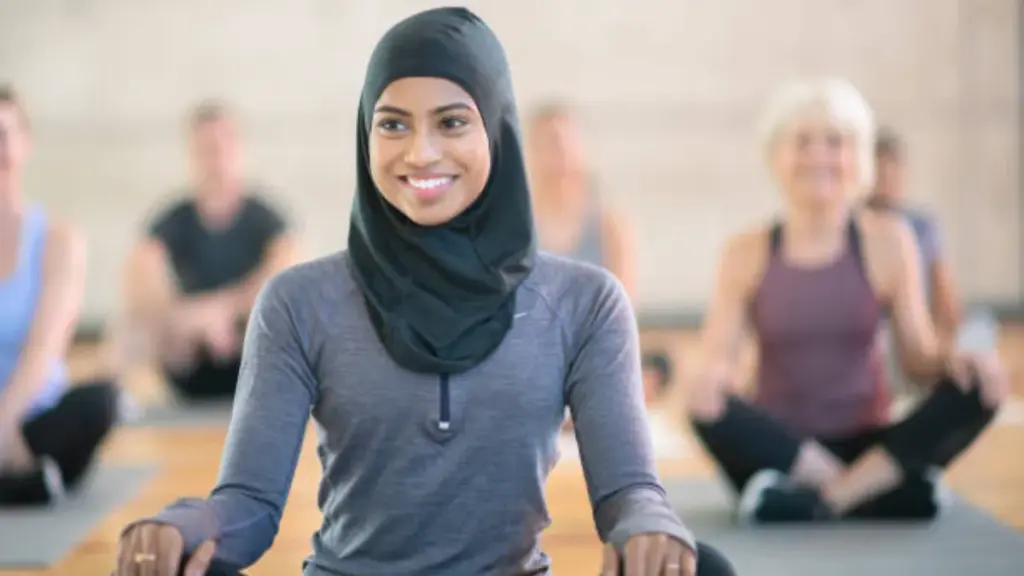
The Untapped “Modest Activewear” Market
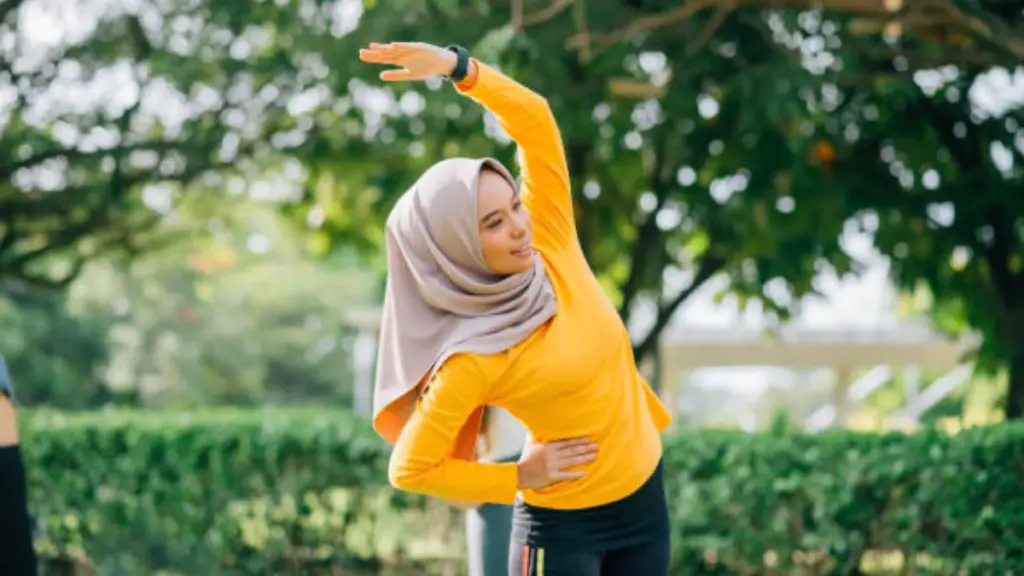
Modest activewear is a large, underserved market. Success depends on balancing full-coverage designs with high-performance fabrics that don’t cling or restrict movement.
Balancing Coverage and Performance
The core challenge isn’t just making clothes with more fabric. It’s about achieving full coverage while delivering the same moisture management and breathability expected from standard athletic apparel. The best products often use layered construction, like built-in skirts over leggings or tunics with attached hoods, to solve this technical problem.
The non-negotiable design principles are straightforward:
- Longer hemlines
- Full-length sleeves
- Higher necklines
- A loose or relaxed fit (non-form-fitting)
Key Fabric and Manufacturing Specifications
Material choice is everything—you’re not just selling a design, you’re selling performance. Production focuses on durable knitted goods engineered to resist pilling and abrasion from repeated use and washing.
- Core Materials: Moisture-wicking Polyester and poly-lycra blends are the workhorses.
- Breathability: Achieved with advanced synthetics like Tencel or through open-knit fabric structures.
- Flexibility: स्पैन्डेक्स, लाइक्रा, or Elastane blends are mandatory to ensure a full range of motion without clinging.
- Validation: Industry certifications like लपेटना, ISO 9001, और OEKO-TEX signal ethical production and verified performance standards.
Integrated Manufacturing
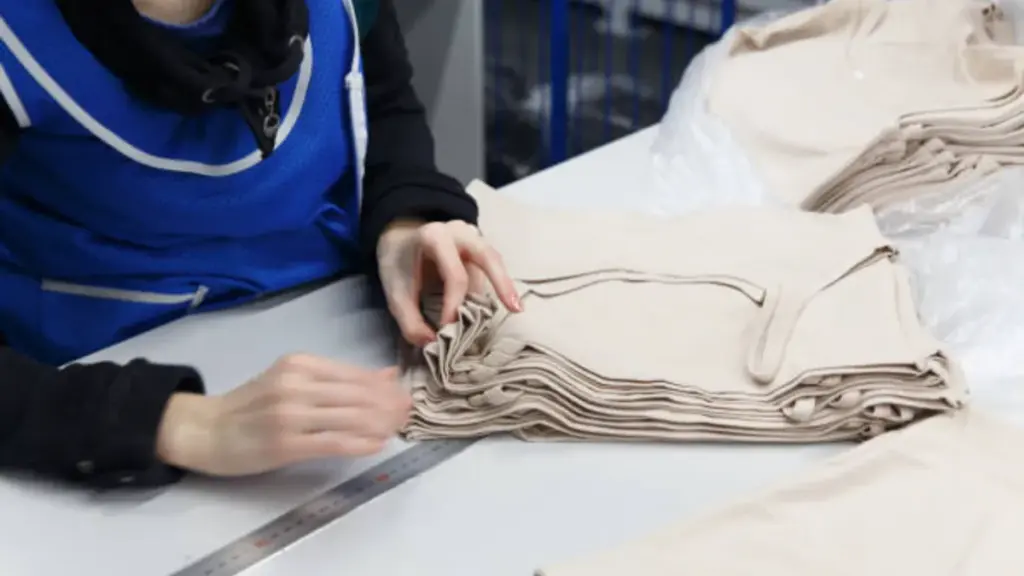
An end-to-end service managing production from concept to delivery. It combines design, sourcing, and logistics with no MOQ and fast turnarounds for apparel brands.
This integrated model functions like an in-house production department, handling the supply chain complexities so brands can focus on growth. It’s built to lower entry barriers for startups and provide agility for established companies. The entire process is managed for you, from factory identification and sourcing to quality control and final logistics.
| Core Feature | Details & Capabilities |
|---|---|
| Business Model | Agile ‘One-Stop Solution’ that acts as a virtual production department for clients. |
| Minimum Order Quantity | None. Production can start from a single piece, ideal for startups and influencers. |
| Speed-to-Market | 7-10 day turnaround for samples and 30 days for bulk production. |
| Customization | Full ‘Concept-to-Shelf’ services, including private labeling, design development, and custom fabric sourcing. |
| Sourcing Network | Global access to premium materials, trims, and accessories at competitive prices. |
| Technical Capability | Specialized pattern making for inclusive sizing to serve diverse markets and reduce return rates. |
| Process Transparency | A defined 7-step cooperation process ensures clarity from initial inquiry to final delivery. |
Fabric Weight: Ensuring Drape & Modesty
Fabric weight (GSM) is key for modest activewear, balancing coverage and drape. The ideal range is 120–300 GSM for opacity without restricting movement.
The Core Relationship: GSM, Drape, and Opacity
Fabric weight, measured in Grams per Square Meter (GSM), directly controls a material’s density. A higher GSM increases opacity for better coverage but can make the garment stiff. Lower GSM improves drape and flow, but you need the right fibers to avoid sheerness. The goal is hitting that sweet spot: enough weight to not cling or be see-through, but light enough to move freely.
Technical Specifications: Optimal GSM Ranges for Activewear
- Overall Optimal Range: 120–300 GSM covers most modest activewear, from flowing tops to durable leggings.
- Flowing Garments (Tops, Skirts): 120–180 GSM is the target. A lightweight spandex blend around 120–160 GSM gives you great drape and stretch.
- Structured Garments (Leggings, Pants): 180–300 GSM is a must. This midweight range ensures durability and full opacity during squats and deep stretches.
Why Partner with ASG Fashions?
ASG Fashions Company Ltd., a premier supply chain solutions provider based in Dongguan, specializes in bridging this gap for brands worldwide.
We don’t just manufacture; we act as your virtual production department. Whether you are an established retailer needing bulk production or an influencer launching a startup, our “Client-First” strategy removes the traditional barriers of fashion manufacturing.
Core Capabilities for Modest Activewear:
- Zero MOQ Policy: Start your collection with a single piece. Test the market with zero inventory risk—perfect for validating new skirt-legging designs.
- Rapid Speed-to-Market: Get your custom samples in 7-10 दिन and bulk orders in just 30 दिन.
- Inclusive Sizing Expertise: Our technical team specializes in pattern making for diverse body types (up to 5XL), ensuring your modest wear fits perfectly without returns.
- Concept-to-Shelf Service: From sourcing high-GSM fabrics to निजी लेबलिंग and final logistics, we manage the entire lifecycle so you can focus on growth.
Start Your No-MOQ Sample Order Today →
Launch Your Custom Yoga Wear Line—With No Minimums.
Length & Venting Design
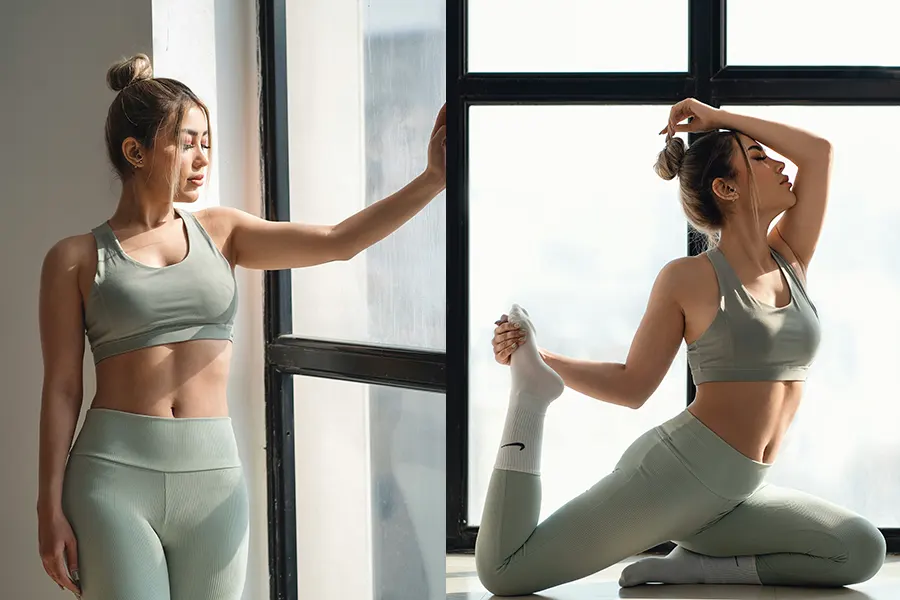
Tunic top design for modest activewear boils down to two things: enough length for hip coverage and side vents so you can actually move. This balances modesty with performance.
The Core Principle
The main design challenge is straightforward. A longer top provides the necessary coverage over the hips and upper thighs, but it can also get in the way. Without the right design, a long garment severely restricts leg movement during squats, lunges, or a simple run.
Slits, Vents, and Fabric Choice
Engineers solve the mobility problem by focusing on vents and material selection. These features work together to create a garment that offers modesty without sacrificing function.
- Venting Systems: Side slits and vents are the standard engineering solution. They permit full leg extension and freedom of movement.
- Fabric Blend: A specific blend like 92% Cotton / 8% Spandex ensures the garment drapes correctly while offering essential stretch.
- Material Properties: The fabric itself must be moisture-wicking and breathable to manage thermal comfort and prevent overheating in a garment with more coverage.
The “No Camel Toe” Front Panel Technique
This activewear design eliminates the front-rise seam. It combines a seamless panel, a reinforced gusset, and technical fabrics to prevent bunching and ensure a smooth fit.
No-Front-Seam Engineering
The main cause of unwanted fabric bunching is the center front rise seam. The core engineering fix is simply to eliminate it. This no-seam design works with a reinforced crotch gusset, which adds structural support and distributes fabric evenly for a smoother fit. Many designs also use seamless side construction to create a ‘second-skin’ feel that avoids creating unwanted contours.
Technical Construction and Material Specifications
Executing this design requires specific materials and finishing methods.
- Patented Construction: Some designs use a multilayered liner with a plastic insert (e.g., PET) between layers to keep the panel firm.
- Technical Fabrics: Key materials include ice silk, microfiber, and modal for their breathability, खींचना, and moisture-wicking properties.
- Finishing Techniques: Laser-cut edges create invisible lines, while silicone strips (vanishing edge technology) prevent the garment from riding up.
Final Thoughts
Modest activewear is a technical minefield of fabric weight, seam engineering, and fit. Get any detail wrong, and you’re left with unsellable inventory that doesn’t perform.
Leverage the zero-MOQ model to eliminate risk. Order a single skirt-legging sample this week to test their technical execution and speed-to-market claims firsthand.
Frequently Asked Questions
How can I wear yoga pants modestly?
Choose styles with high-rise waistbands, full-length coverage, and opaque, moisture-wicking fabrics that are not see-through when stretched. Layering with long tunics, wraps, or coordinating skirts also provides extra coverage while maintaining flexibility for your practice.
What kind of skirt should I wear over yoga pants?
The most practical option is an integrated garment: skirted yoga pants. They combine leggings with a built-in A-line skirt overlay and are engineered for athletic movement, ensuring the skirt stays put while providing consistent coverage for the hips and thighs.
Are yoga pants appropriate for Muslim women?
Yes, especially styles designed with modesty in mind. Key features include full-length coverage, high-waisted designs, and a relaxed (but not baggy) उपयुक्त. They are often paired with long tops, tunics, or skirts. Wide-leg yoga pants are another popular and modest alternative.
What constitutes a modest gym outfit?
Modest gym outfits are performance athletic wear designed for full coverage, using lightweight, breathable, and moisture-wicking fabrics. Common pieces include long-line tunics, loose-fitting or skirted leggings, wide-leg pants, and integrated garments like athletic hijabs.
What are yoga pants with an attached skirt?
They’re called skirted yoga pants or skirted leggings. It’s a single piece of activewear that combines leggings with an attached A-line skirt overlay, designed to provide the flexibility of leggings with the modest coverage of a skirt around the hips and thighs.
What are the benefits of loose-fitting yoga pants?
Loose-fitting yoga pants offer a comfortable and breathable alternative to traditional compressive leggings. They are ideal for low-impact activities like restorative yoga and meditation, providing maximum freedom of movement without a tight fit.