2027 swimwear trends offer new directions for your next collection, from bold colors and expressive prints to updated silhouettes and functional fabrics. As you plan your product range, you need to consider how each trend fits your target customers, price positioning, and design strategy.
This guide explores seven swimwear design directions for 2027 and examines which ones may offer the greatest commercial value for brands working with swimwear manufacturers.
1. Bold Colors and Color-Blocking
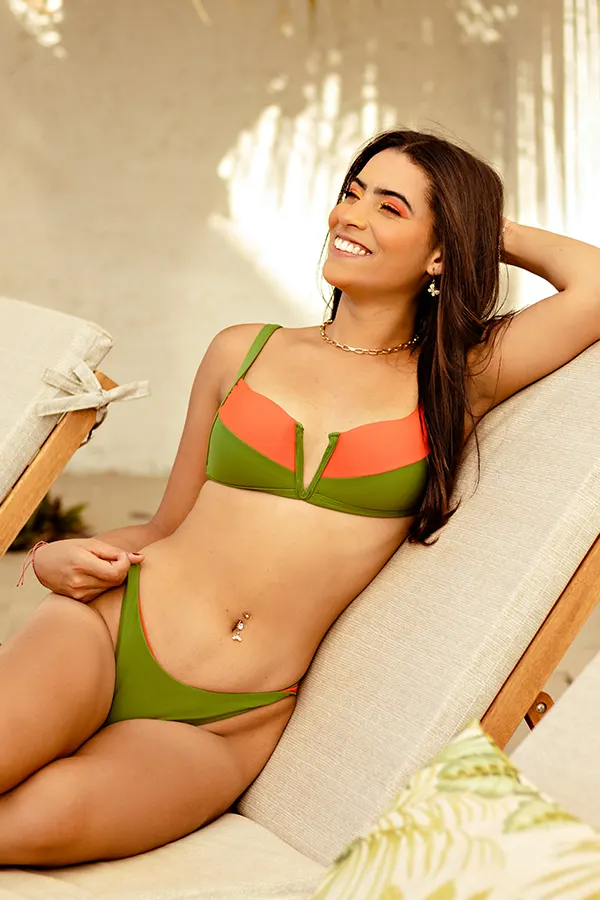
Bold colors and color-blocking offer ways to refresh swimwear collections for Spring/Summer 2027. Contrasting combinations, such as purple and lime green or pink and yellow, featured in ELLE’s Spring 2027 color-blocking trend coverage, provide inspiration for developing more expressive swimwear designs.
Brands can apply these combinations to existing styles through two-tone bikini sets, contrasting panels on one-piece swimsuits, or color-blocked straps and trims. Keeping the original silhouettes while updating the color palette can create new product variations without requiring an entirely new design. Coordinating colors across bikini tops, bottoms, and cover-ups can also help build a more cohesive seasonal collection.
2. Tropical Prints and Expressive Patterns
Tropical prints and expressive patterns offer ways to build visual identity across swimwear collections. Botanical motifs, marine-inspired designs, and bold geometric patterns can add variety to seasonal styles and help brands develop distinctive print directions.
Rather than using unrelated prints across individual styles, brands can build a collection around a consistent theme. Applying coordinated prints across बिकनी, one-piece swimsuits, और men’s swim shorts can create a recognizable product range, while variations in print scale, placement, and color combinations help distinguish individual designs. Pairing printed swimwear with solid-color cover-ups can also extend the theme into a coordinated resort wear collection.
3. Asymmetric Cuts and Sculptural Details
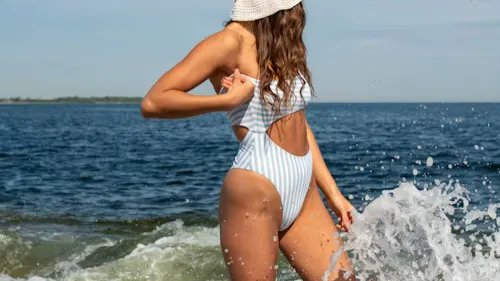
Asymmetric cuts and sculptural details offer ways to create distinctive swimwear designs through shape and construction. One-shoulder necklines, asymmetrical straps, twisted fabric, and gathered details can add visual interest to bikinis and one-piece swimsuits without relying solely on bold colors or prints.
Brands can explore several structural variations:
- Asymmetric Necklines and Straps: Replace traditional symmetrical straps with one-shoulder designs, diagonal necklines, or uneven strap arrangements to create a distinctive upper-body silhouette.
- Twisted and Gathered Details: Add twisted fabric at the bust, ruching along the waist, or gathered sections at the sides to introduce texture and shape.
- Strategic Cutouts: Incorporate side cutouts, keyhole openings, or asymmetrical waist cutouts to create visual contrast while considering support and coverage.
- Curved and Diagonal Panels: Use curved seams, diagonal fabric panels, or contrasting panel shapes to define the silhouette and add structure to otherwise simple designs.
By adapting these details to familiar bikini and one-piece silhouettes, brands can develop distinctive styles while maintaining variety across their product range.
4. Sheer Fabrics, Lace and Crochet
Sheer fabrics, फीता, and crochet offer different ways to add texture, layering, and decorative details to swimwear and resort wear collections. Each material can create a distinct look and expand the range of products available to customers.
- Sheer Fabrics: Lightweight mesh and translucent fabrics can be used for cover-ups, sheer skirts, mesh-panel swimsuits, and beach dresses. These materials add layering and visual interest while complementing swimwear underneath.
- Lace Details: Lace trims, panels, and inserts can add delicate patterns to swimsuit edges, straps, or selected sections. For swimwear, suitable materials and construction are important for maintaining comfort, खींचना, and durability.
- Crochet Designs: Open-knit crochet textures work well in bikinis, beach tops, cover-ups, and matching sets. Different stitch patterns and color combinations can help brands develop distinctive designs within the same collection.
Pairing swimwear with matching sheer skirts, crochet tops, or lightweight beach trousers can extend a collection beyond swimwear and create coordinated outfits for beach and resort settings.
When developing swimwear and coordinating cover-ups, fabric selection affects comfort, appearance, and product performance. Read our guide on How to choose the best fabric for custom swimwear to compare material options and evaluate their suitability for different product types.
5. Embellished Swimwear and Decorative Details
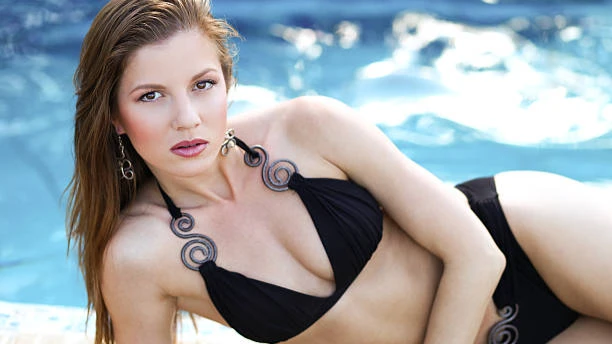
Decorative details can help swimwear brands create distinctive products without making major changes to existing silhouettes. मनोहर, embroidery, pearls, and metallic hardware add visual interest and can give basic styles a more refined or statement-making look.
Brands can explore several options:
- Beading and Pearls: Add pearl accents to shoulder straps, decorative beads along necklines, or embellishments around waistbands to create focal points.
- कढ़ाई: Use floral motifs, geometric patterns, or brand-inspired details to distinguish selected styles within a collection.
- Metallic Hardware: Incorporate rings, clasps, and decorative connectors into bikini straps, side ties, or swimsuit cutouts to introduce contrast and structure.
- Decorative Placement: Apply embellishments selectively to necklines, straps, or waistlines rather than covering the entire garment, helping maintain a balanced design.
These details can also be coordinated across bikinis, one-piece swimsuits, and matching cover-ups to establish a consistent visual identity. Before finalizing designs, consider skin comfort, attachment strength, corrosion resistance, and durability during swimming and repeated washing. Decorative components should be securely attached and suitable for the product’s intended use.
6. Sporty Swimwear and Functional Design
Sporty swimwear combines athletic-inspired details with practical features designed for different water activities. High necklines, wider shoulder straps, racerback designs, and streamlined silhouettes can create a more athletic look while supporting movement and providing a secure fit.
Brands can develop different styles based on their target customers and intended use:
- Swimming and Training: Focus on secure fits, supportive straps, and streamlined silhouettes that allow freedom of movement.
- Surfing and Water Sports: Consider long-sleeve swimsuits, higher necklines, and secure closures to provide additional coverage during active use.
- Beach and Poolside Activities: Combine sporty details, such as contrast piping, color-blocked panels, and athletic-inspired cuts, with designs suited to casual wear.
- Athleisure-Inspired Swimwear: Pair sporty swim tops with swim shorts or coordinating cover-ups to create versatile collections that transition between water activities and leisure settings.
When developing these styles, consider the intended activity, उपयुक्त, fabric stretch, chlorine or saltwater resistance, and support requirements. Matching functional features to specific use cases helps brands create products that meet customer needs while maintaining a consistent design direction.
7. Retro Silhouettes and Varied Coverage
Retro-inspired silhouettes and varied coverage options allow brands to expand their swimwear collections beyond conventional bikini and one-piece styles. High-waisted bottoms, vintage-inspired necklines, and boyshort-style designs offer different proportions and coverage levels, giving brands more options to suit diverse customer preferences.
Brands can explore several approaches:
- High-Waisted Bikinis: Pair high-rise bottoms with bandeau, halter, or underwire tops to create different looks within a retro-inspired range.
- Vintage-Inspired One-Piece Swimsuits: Use square necklines, wider straps, and defined waistlines to introduce classic styling into modern collections.
- Boyshorts and Swim Shorts: Offer alternatives to traditional bikini bottoms for customers who prefer greater coverage or a sportier look.
- Adjustable Coverage Options: Develop designs with adjustable straps, tie-side bottoms, or different leg cuts to provide more flexibility in fit and styling.
Offering a mix of silhouettes and coverage levels can help brands serve different customer groups while maintaining a consistent collection theme. Rather than developing entirely separate ranges, brands can combine complementary tops, bottoms, and one-piece styles to create more product options around a shared color palette or design direction.
How to Turn 2027 Swimwear Trends into a Commercial Collection
Not every trend will suit every swimwear brand. Turning seasonal design ideas into a commercial collection requires balancing customer preferences, product differentiation, and development costs.
- Prioritize Trends for Your Target Market: Evaluate each trend against your brand positioning, target customers, price range, and sales channels. Focus on the styles most relevant to your customers rather than adopting every trend.
- Balance Statement Pieces with Core Styles: Combine distinctive designs, such as bold color-blocking or embellished swimwear, with versatile core styles that can remain in your collection across seasons. This creates variety without making the entire range dependent on short-term trends.
- Plan Colors, कपड़े, and Styles as a Range: Develop a consistent design direction across bikinis, one-piece swimsuits, swim shorts, and cover-ups. Coordinated colors, complementary fabrics, and shared design details can create a cohesive collection while allowing individual products to stand out.
- Validate Designs Through Sampling: Test prototypes to evaluate fit, fabric performance, construction, and comfort before moving into production. For styles with embellishments or specialized materials, also check attachment strength, टिकाऊपन, and suitability for the intended use.
Working with an experienced swimwear manufacturer can help brands assess material options, refine designs, and evaluate samples before confirming production specifications. This process helps translate creative direction into products that meet both customer expectations and practical manufacturing requirements.
अंतिम विचार
The 2027 swimwear trends offer brands opportunities to refresh existing styles, explore new design details, and develop more cohesive collections. The key is to choose trends that align with your target market, balance distinctive designs with core products, and evaluate fabrics, construction, and fit before moving into production.
पर एएसजी फैशन, we offer private label swimwear manufacturing to help brands develop customized products that align with their design vision and target market. एएसजी फैशन से संपर्क करें to discuss your private label swimwear collection.
अक्सर पूछे जाने वाले प्रश्नों
How Should Swimwear Brands Choose Which 2027 Trends to Follow?
Swimwear brands should evaluate trends based on their target customers, brand positioning, price range, and sales channels. Bold prints and decorative details may suit fashion-focused collections, while sporty silhouettes and functional features may be more relevant to performance-oriented customers. Rather than adopting every trend, brands can select a few directions that complement their existing products and appeal to their target market.
How Can Brands Turn Swimwear Trends into Commercially Viable Products?
Brands can translate trends into commercial products by adapting them to familiar silhouettes, practical fabric choices, and customer preferences. For example, a brand can introduce asymmetric necklines to an existing one-piece style or update a core bikini with a new print or color combination. Balancing distinctive trend-led designs with versatile core styles can help create a varied collection without making every product dependent on seasonal trends.
How Can Swimwear Brands Combine Different Trends in One Collection?
Brands can combine trends through a consistent color palette, complementary prints, coordinated silhouettes, and shared design details. For example, a collection could pair tropical prints with solid-color cover-ups or combine retro-inspired cuts with contemporary color-blocking. Maintaining a clear design direction across bikinis, one-piece swimsuits, and matching resort wear helps create a cohesive collection while allowing individual products to stand out.
What Should Brands Consider When Choosing Fabrics for Trend-Driven Swimwear?
Fabric selection should reflect the product’s intended use, design, and construction requirements. Stretch, lining, अस्पष्टता, आराम, and resistance to chlorine or saltwater may be important for swimwear intended for regular water use. Mesh, फीता, and crochet can add texture and layering, particularly in cover-ups and resort wear. Embellishments and hardware require attention to skin comfort, attachment strength, and durability. Brands should evaluate fabric and trim options during product development before confirming specifications.
Why Is Sampling Important When Developing Trend-Driven Swimwear?
Sampling allows brands to evaluate how a design performs beyond its appearance in a sketch or reference image. उपयुक्त, सहायता, fabric stretch, सीवन प्लेसमेंट, lining, and comfort should be checked before bulk production. Styles featuring asymmetrical cuts, gathered fabric, cutouts, or decorative hardware may also require adjustments to construction and fit. Reviewing samples helps brands identify necessary changes before approving final production specifications.
Can a Swimwear Manufacturer Help Brands Develop a Trend-Based Collection?
Yes. Depending on the manufacturer’s capabilities and the chosen production model, support may include design development, fabric and trim sourcing, pattern adjustments, sampling, and bulk production. Brands with established designs can provide their specifications for OEM production, while those seeking more design input may consider ODM services. Private label services can also support branding and product customization. Before starting a project, brands should confirm the manufacturer’s design capabilities, customization options, sampling process, minimum order quantity, and production timeline.