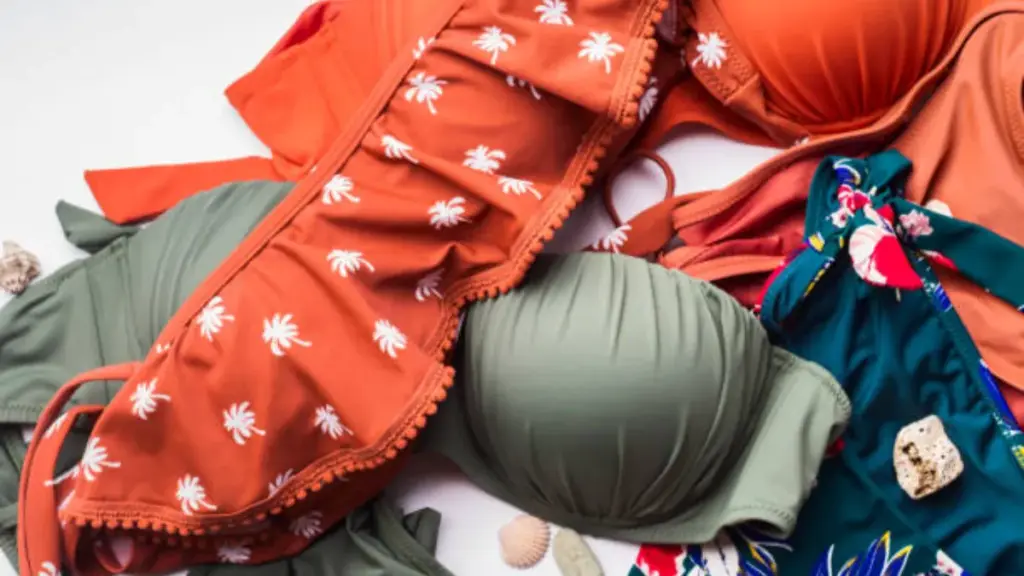
水着のサイズを正確に知ることで、アクティブなサポートを台無しにする機能的な隙間をなくすことができます. Relying on generalized charts adds unnecessary fabric ease, which directly causes seat slippage and structural failure once submerged.
This analysis benchmarks mass-market proportions against ASG custom sizing geometry. We evaluate precise torso loop metrics and specific stretch compression allowances to help you secure a flush, tension-based fit.
Why a Gap-Free Fit Matters for Your Swimwear
A gap-free fit keeps water from flushing through your swimsuit, maintaining critical support. Adjustable hardware and cup-specific designs ensure the fabric stays flush against your skin during movement.
How Gaps Affect Swimsuit Performance
When a swimsuit gaps in the bust area, it acts like a funnel. Water flows in and out freely, which immediately compromises the garment’s built-in support structure. You lose the compression needed for active movement. You also need to account for how fabrics behave under stress. Swimsuit materials naturally loosen and expand slightly when submerged in water. Starting with an initial snug fit is the only way to maintain constant contact with your body once you dive in.
Key Design Elements for a Snug Fit
Building a suit that stays flush against the skin requires specific hardware and pattern engineering. Relying on generic one-size-fits-all designs usually leads to excess fabric and poor retention.
- Adjustable Hardware: Shoulder straps and multi-hook back clasps let you customize the tension, forcing the fabric to mold correctly to your natural shape.
- Targeted Sizing and Materials: Specific cup sizing pairs with dense, two-way stretch fabrics to eliminate the dead space that causes gapping.
How to Measure Yourself for a Bathing Suit at Home
Accurate measurements ensure a secure fit. Grab a soft measuring tape, stand naturally without sucking in, and track your core dimensions to match size charts precisely.
| Measurement Area | Target Location | Key Technique |
|---|---|---|
| Bust & Underbust | Fullest chest point & ribcage | Keep tape parallel to floor; cross slightly in front |
| Waist | Narrowest torso point | Relax body completely; avoid sucking in stomach |
| Hips | 18-25cm below natural waist | Wrap horizontally around widest part of bottom |
| Torso Loop | Shoulder down through legs | Keep perpendicular; let tape rest gently against body |
Bust and Underbust Measurements
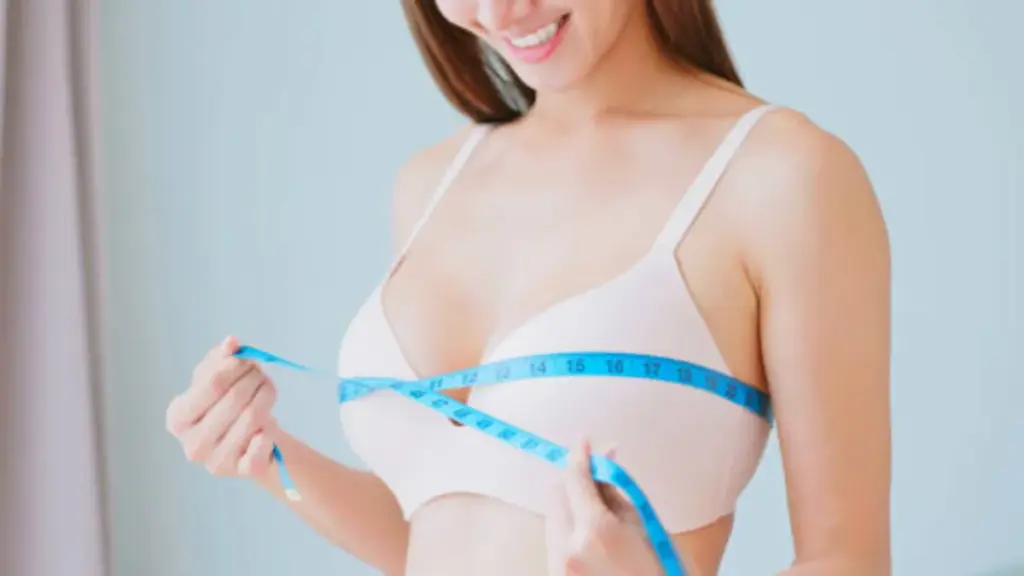
Start by wearing a non-padded everyday bra and standing sideways next to a full-length mirror. Wrap a soft measuring tape around the fullest part of your chest, keeping it strictly parallel to the floor. Slightly cross the tape in the front to read your exact bust size. 次, measure your underbust by wrapping the tape directly around your ribcage right below your breasts.
Waist Measurement
Find your natural waist by bending sideways to spot the narrowest point of your torso. Wrap the measuring tape horizontally around this specific point. Relax your body entirely and avoid sucking your stomach in while measuring. Keep the tape parallel to the floor and slightly cross it in the front to get an accurate read.
Hip Measurement
Tie a piece of string around your natural waist to serve as a starting guide. Find your high hip measurement by wrapping the tape about 10 centimeters down from the string at your fullest abdomen point. Locate your low hip measurement around 18 に 25 centimeters down from the waist string. Wrap the tape horizontally around the widest part of your hips and bottom to secure the final number.
Torso Loop for One-Piece Suits
Place the end of the measuring tape at the center top of one shoulder, right near your bra strap. Drape the tape down your back, pull it between your legs, and bring it up the front to that exact same shoulder. Keep the tape perpendicular to the floor and ensure it rests gently against your body without pulling tight.
Standard Sizing vs. ASG Custom Sizing
Standard sizing relies on generalized charts and fabric ease, causing fit issues. ASG builds suits using exact personal metrics and custom geometry to eliminate gaps and slippage.
Standard Sizing Characteristics
Mass-market brands build standard sizing charts around average body measurements for the hips, waist, and bust. To accommodate a broad range of buyers, designers add one to two inches of built-in room. This extra volume allows for movement and prevents tightness during activity.
Relying on averaged proportions creates predictable problems. When a body differs from the generalized sizing chart, this extra ease leads to fit issues like seat slippage and shifting fabric.
ASG Custom Sizing Specifications
ASG ファッション tailors bathing suits directly to exact body measurements without adding standard fabric ease. We replace generic volume with custom geometry and precise fabric tension. This tension-based design secures the fit to the body, stopping sliding straps and unwanted seat exposure.
To generate an accurate custom pattern, shoppers submit specific personal metrics:
- Full Bust: Ensures cup volume aligns tightly with chest shape without gaping.
- High Hip: Anchors the bottom securely to prevent shifting in the water.
- Torso Length: Dictates the vertical fit to eliminate riding up or binding.
Achieving Triangl-Style Precision for Your Custom Order
Precise swimwear fits require exact body metrics. Factoring in torso length and stretch compression ensures a dynamic hold and eliminates functional gaping.
Essential Body Measurements for Custom Sizing
You need four primary measurements to guarantee accurate proportions. Keep a soft tape measure parallel to the floor while recording these dimensions.
- Bust: Record the measurement at the fullest part of the chest.
- Waist: Measure the narrowest section of the midsection.
- Hips: Wrap the tape around the fullest part of the buttocks to secure proper coverage.
- Torso Length: Capture the distance from the shoulder base down to the crotch. This metric controls the structural fit of one-piece designs.
Adjusting for Torso Length and Fabric Compression
Raw numbers require context. You must modify your standard order based on the physical properties of the fabric and your specific vertical proportions.
- Torso Adjustments: Size up for a long torso or size down for a short torso to prevent gaping.
- Between Sizes: Select the smaller option if you fall between two brand sizes. High-spandex materials demand a tight compression fit to hold firmly during dynamic movement.
- Compression Allowances: Compare your exact numbers directly with the brand chart and factor in a 1-2 cm compression allowance for stretch fabrics.
Scale Your Fashion Brand With Zero MOQ
よくある質問
How do I know if my swimsuit is too small?
A swimsuit is too small if it digs into your skin, restricts breathing, or limits your movement. Check your straps first. You should easily slide two fingers underneath them. If they leave red marks or dig into your shoulders, the suit is too tight. For the bust, watch out for spillage or flattened cups. On the bottom, constant riding up, wedgies, or waistbands cutting into your hips are clear signs you need a larger size.
Should I size up or down in swimwear?
If you land between sizes, size down. Swimwear fabrics stretch about one to two inches when wet. A tight dry fit keeps the suit secure once you hit the water. Size up only if your bust or hip measurements exceed the size chart’s upper limit by more than an inch to prevent spillage, or if you strictly plan to lounge rather than swim.
Does swimsuit fabric stretch over time?
はい. Swimsuit fabrics, particularly Lycra and spandex blends, stretch and sag with regular use. Chlorine, saltwater, and UV rays break down the elastic fibers over time. To slow this degradation, rinse your suit in cool, fresh water right after wearing it and let it air dry out of direct sunlight. If you want maximum durability, buy suits made of 100% polyester. They resist stretching and hold their shape much longer.
How do I measure myself without a flexible measuring tape?
Grab a non-stretchy, flexible household item like a shoelace, piece of string, or phone charger cord. Wrap it around the fullest part of your bust, the narrowest part of your waist, and the widest part of your hips. Mark exactly where the cord overlaps. Lay it flat and measure the marked length against a standard 12-inch ruler. If you lack a ruler, use a standard credit card (3.375 inches wide) or a US dollar bill (6.1 inches long) to calculate the total inches.
最終的な考え
Relying on mass-market standard sizing creates predictable fit issues that damage brand reputation and drive up return rates. ASG custom sizing replaces generic volume with tension-based geometry to guarantee a secure, gap-free hold in the water. Committing to exact body metrics is the only way to deliver the reliable performance your buyers expect.
Stop risking your inventory capital on unpredictable generic patterns. We recommend starting with a custom sample order to test our tension-based engineering and stretch fabrics firsthand. Contact our manufacturing team today to finalize your precise OEM metrics and secure your production slot.